You started reading this blog and realized that you’re ready to buy a home. You’ve researched neighborhoods. You’ve calculated mortgage payments. You know exactly what you want.
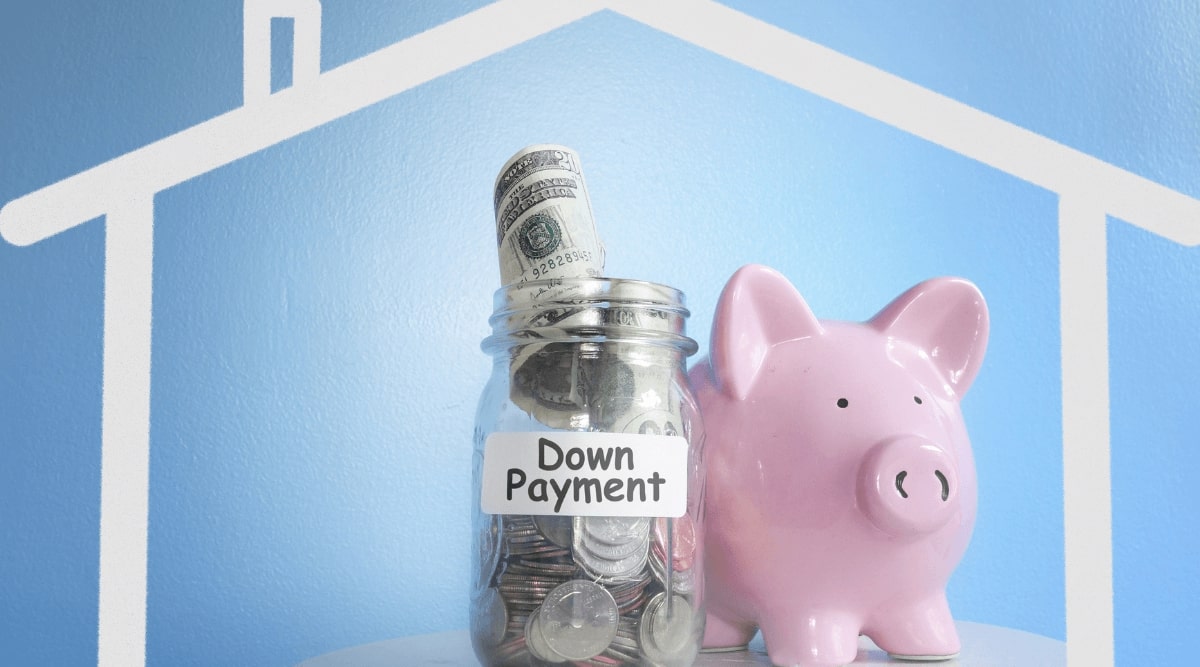
There’s just one problem: you don’t have 20% down payment saved.
Welcome to the reality most first-time buyers face. The traditional path; Save 20%, apply for a mortgage, buy a home. This is no longer realistic for many Canadians.
But here’s the good news: homeownership with low down payment is not only possible, it’s increasingly common.
In fact, the majority of first-time buyers in Ontario purchase with less than 10% down. Some use government programs. Some use rent-to-own. Some receive gifts from family. Some combine multiple strategies.
The question isn’t “Can I buy with a low down payment?” It’s “Which low down payment option is best for MY situation?”
Let’s explore every viable pathway to homeownership when you don’t have a large down payment saved, compare them honestly, and help you choose the right path.
Ready to explore low down payment homebuying options? Check your qualification in our main FAQ
Understanding How Mortgages Work with Low Down Payment
Before exploring options, understand how mortgages actually work—especially when you have a small down payment.
Basic mortgage structure:
A mortgage is a loan from a financial institution to purchase a home. Your monthly payment typically includes:
- Principal (portion paying down the loan)
- Interest (lender’s cost)
- Property taxes (government requirement)
- Home insurance (lender requirement)
- Mortgage insurance (if down payment is less than 20%)
The critical factor: Mortgage insurance
If you have less than 20% down payment, lenders require mortgage insurance. This protects the lender if you default.
How mortgage insurance works:
- You need 10% down ($70,000 on $700,000 home)
- Mortgage insurance cost: ~$20,000-$25,000
- This is added to your mortgage
- You pay ~$100-$130/month extra in mortgage payments
Key insight: Low down payment doesn’t prevent homeownership—it increases monthly costs slightly due to mortgage insurance. But it makes homes accessible NOW instead of in 5-10 years.
Example comparison (Ontario, $700,000 home):
| Scenario | Down Payment | Mortgage Amount | Mortgage-Insurance Cost | Monthly Payment* |
|---|---|---|---|---|
| 20% down (traditional) | $140,000 | $560,000 | $0 | $3,200 |
| 10% down (low) | $70,000 | $630,000 | $20,000 | $3,450 |
| 5% down (very low) | $35,000 | $665,000 | $26,000 | $3,650 |
*Approximate, at 5% interest rate, 25-year amortization
Reality: Yes, you pay more with insurance. But you own sooner and build equity immediately.
7 Options for Homeownership with Low Down Payment
Option #1: Rent-to-Own Programs (3-5% Down)
What it is: You rent a home for 3-4 years while building credit and saving down payment. At the end, you purchase the home.
- Down payment required: 3% (versus 5-20% traditional)
How JAAG’s Rent-to-Home works:
- Month 1-2: Qualify and find home
- Month 1: Move in immediately
- Months 1-36: Pay rent (includes mortgage, taxes, insurance, monthly credits)
- Months 12-24: Build credit with guidance from credit team
- Months 33-36: Mortgage qualification conversations begin
- Year 3-4: Become homeowner at predetermined price
Advantages:
- ✅ Only 3% deposit needed
- ✅ Move in immediately
- ✅ Home price predetermined (protected from market increases)
- ✅ Build equity from day 1
- ✅ Professional credit guidance included
- ✅ Works with bad/no credit
- ✅ Works for self-employed
- ✅ Flexible terms (1, 2, 3-year buyout options)
Disadvantages:
- ❌ Takes 3-4 years to own (not immediate purchase)
- ❌ Must commit to program
- ❌ Monthly payments required (like mortgage)
Best for: People who want homeownership soon, have bad credit, are self-employed, or don’t want to wait 5-10 years saving.
Ontario example:
- Home price: $700,000
- JAAG deposit: $21,000 (3%)
- Monthly rent-to-own: $3,200-$3,400
- Timeline: Own in 3 years
Learn more about rent-to-own in our main FAQ
Option #2: First-Time Home Buyer Incentive (5-20% Down)
What it is: Government program providing 5-10% additional funds for your down payment. You repay when selling or after 25 years.
- Down payment required: 5-20% minimum (you provide), then government adds 5-10%
How it works:
- You save 5-10% down payment yourself
- Government adds 5-10% as shared-equity mortgage
- You own immediately
- You repay when selling or after 25 years (no monthly payments)
Advantages:
- ✅ Own immediately
- ✅ Additional 5-10% from government (no monthly payments)
- ✅ Interest-free
- ✅ Lower mortgage payments immediately
- ✅ Qualified immediately (no waiting)
Disadvantages:
- ❌ Must have at least 5% down already saved
- ❌ Income limits apply ($120K nationally, $150K Toronto)
- ❌ Must have mortgage pre-approval
- ❌ Government shares in home appreciation
Best for: People who have 5-10% saved, have stable income, good credit, and want immediate ownership.
Ontario example:
- Home price: $700,000
- Your down payment: $50,000 (7%)
- Government adds: $35,000 (5%)
- Total down: $85,000
- Mortgage: $615,000
- Own immediately
Learn more about government incentive in our main FAQ
Option #3: CMHC High-Ratio Mortgages (5% Down)
What it is: Traditional mortgage with mortgage insurance allowing 5% down payment.
- Down payment required: 5% minimum
How it works:
- You provide 5% down payment
- Lender approves traditional mortgage
- Mortgage insurance added (protects lender)
- You own immediately and build equity
Advantages:
- ✅ Only 5% down needed
- ✅ Own immediately
- ✅ Standard mortgage process
- ✅ Can pay off insurance and refinance later
Disadvantages:
- ❌ Mortgage insurance added ($15,000-$25,000+)
- ❌ Slightly higher monthly payments
- ❌ Requires good credit (680+)
- ❌ Requires mortgage pre-approval
- ❌ Not available for self-employed easily
Best for: People with 5% down, good credit, and stable employment who want traditional ownership.
Ontario example:
- Home price: $700,000
- Down payment: $35,000 (5%)
- Mortgage: $665,000
- Insurance: $26,000 (added to mortgage)
- Total payments: $3,650/month (~$130 more than 20% down)
- Own immediately
Option #4: Receiving from Family Members (0-5% Down)
What it is: Family loan to give you the down payment.
- Down payment required: Variable (family decides)
How it works:
- Understand that this is usually a gift from family members
- Formalize the gift in writing (critical)
- Use gift as down payment for mortgage
- If repaying family members, must be specified
- Own home immediately
Advantages:
- ✅ Can be gifted (family’s choice)
- ✅ Open repayment terms
- ✅ Own immediately
- ✅ Family may forgive balance
Disadvantages:
- ❌ Can strain family relationships if it’s not clear
- ❌ Must still qualify for mortgage (5-20% down)
- ❌ Lender will ask 99% about a gift letter vs loan agreement
- ❌ Must formalize in writing
- ❌ Tax implications if gift is too large
Best for: People with family members willing to help and good family relationships.
Ontario example:
- Home price: $700,000
- You still need 5-20% down for mortgage
- Family gift: $35,000-$70,000
- Repayment: Should not exist to smooth mortgage approval
- Own immediately
Important: Get lawyer to formalize. Lenders will ask if it’s a gift or loan.
Option #5: Co-Buying with Partner (Split Down Payment)
What it is: Buying with spouse, partner, or co-buyer to split down payment requirements and income qualification.
- Down payment required: Split between co-buyers (5-20% combined)
How it works:
- Two people qualify together
- Combined income increases mortgage approval
- Combined savings covers down payment
- Both names on title/mortgage
- Both own home
Advantages:
- ✅ Combined income qualifies for higher mortgage
- ✅ Split down payment burden
- ✅ Own immediately
- ✅ Split ongoing costs
Disadvantages:
- ❌ Both legally responsible for debt
- ❌ If one defaults, other is liable
- ❌ Relationship breakdown complicates ownership
- ❌ Requires legal agreement
Best for: Couples/partners, friends, family members buying together.
Ontario example:
- Home price: $700,000
- Person A down payment: $25,000
- Person B down payment: $25,000
- Combined down: $50,000 (7%)
- Mortgage: $650,000
- Both own home equally
Option #6: RRSP Home Buyers’ Plan (Retirement Funds)
What it is: Government program allowing you to withdraw from retirement savings (RRSP) for home purchase.
- Down payment required: Varies (you use RRSP withdrawal)
How it works:
- You have RRSP savings already
- Withdraw up to $35,000 tax-free
- Use toward down payment (or mortgage approval)
- Repay within 15 years
- Both spouse/partners can each withdraw $35,000 (couple: $70,000 total)
Advantages:
- ✅ Access retirement funds now (tax-free withdrawal)
- ✅ No penalty on withdrawal
- ✅ Up to $35,000 per person
- ✅ Couple can access $70,000
- ✅ 15 years to repay
Disadvantages:
- ❌ Uses retirement funds (affects retirement)
- ❌ Must repay (or taxes apply)
- ❌ Only works if you have RRSP
- ❌ Reduces retirement savings
Best for: People with RRSP savings who need a down payment boost and can repay within 15 years.
Ontario example:
- RRSP savings: $80,000
- Withdraw: $35,000 (Home Buyers’ Plan)
- Use for: Down payment
- Repay: $233/month for 15 years
- Own home immediately
Learn about retirement fund options in our main FAQ
Option #7: Builder Incentives and New Home Programs (0-5% Closing Costs)
What it is: New home builders offering incentives (down payment assistance, closing cost coverage) to encourage purchases.
- Down payment required: 5-10% (or builder covers closing costs)
How it works:
- Builder offers incentive (cash back, closing cost coverage)
- You still need down payment to qualify
- Incentive helps with closing costs or additional deposit
- You purchase new home immediately
- Builder benefit from volume
Advantages:
- ✅ Builder covers some closing costs
- ✅ May include incentives
- ✅ New home (warranty, efficiency)
- ✅ Can negotiate terms
- ✅ Own immediately
Disadvantages:
- ❌ Limited to new homes (not existing)
- ❌ Incentives may reduce value
- ❌ Still need traditional down payment
- ❌ Limited builder selection
- ❌ Negotiation required
Best for: First-time buyers who want new construction and can negotiate with builders.
Comparison: Which Low Down Payment Option Is Best?
| Option | Down Payment Needed | Timeline to Own | Credit Required | Best For |
|---|---|---|---|---|
| Rent-to-Own | 3% | 3-4 years | ❌ Not required | Bad credit, self-employed, want price security |
| Government Incentive | 5-10%* | Immediate | ✅ Required | Have savings, stable income, good credit |
| CMHC Mortgage | 5% | Immediate | ✅ Required (680+) | Have savings, traditional pathway |
| Family Gift | Variable | Immediate | Variable | Family support available |
| Co-Buying | 5-20% split | Immediate | ✅ Combined income | Have co-buyer, want shared ownership |
| RRSP Plan | Varies | Immediate | Variable | Have retirement savings, want to access them |
| Builder Incentive | 5-10% | Immediate | Variable | New home construction preference |
*You provide 5-10%, government adds 5-10%
Your Decision Framework: Which Option Fits YOUR Situation?
Question 1: Do you have credit challenges?
- YES → Rent-to-Own is your best option (without credit requirement)
- NO → Continue to Q2
Question 2: Do you have 5-20% down saved already?
- YES → Continue to Q3
- NO → Rent-to-Own or Family Gift are options
Question 3: What’s your employment situation?
- Self-employed → Rent-to-Own or Co-signor (harder to qualify for mortgages)
- Stable employment → Continue to Q4
Question 4: How soon do you need to own?
- Within 1 year → Government Incentive, CMHC, Family Gift, or Co-Buying
- 3-4 year timeline acceptable → Rent-to-Own (get better terms)
Question 5: Do you have RRSP savings?
- YES → Consider Home Buyers’ Plan boost
- NO → Continue to Q6
Question 6: What’s your comfort level?
- Want immediate ownership → Traditional mortgage options
- Want security and guidance → Rent-to-Own (includes credit team)
- Want lowest cost → Government Incentive (if qualify)
Frequently Asked Questions
Total cost comparison (Ontario, $700,000 home, 25-year amortization, 5% rate):
| Option | Down Payment | Insurance Cost | Total Interest + Insurance | Notes |
|---|---|---|---|---|
| 20% down | $140,000 | $0 | $240,000 | Most traditional |
| 10% down (CMHC) | $70,000 | $20,000 | $275,000 | Insurance adds cost |
| 5% down (CMHC) | $35,000 | $26,000 | $305,000 | Lowest down, highest cost |
| Rent-to-Own (5 yrs) | $21,000 | Varies | $180,000-$220,000 | Monthly credits build down payment |
| Government Incentive | $35,000-$70,000 | $0 | $215,000-$250,000 | Government covers additional funds |
Reality: Rent-to-Own often has the lowest total cost because monthly credits reduce final mortgage.
Yes, but with considerations:
- Start with Rent-to-Own → Can purchase with no credit issues (predetermined home price protects you)
- Start with traditional mortgage → Can refinance once credit improves
- Start with government incentive → Cannot use it again (first-time buyer only)
Strategy: If unsure, rent-to-own offers most flexibility and protection.
You have options:
- Option 1: Rent-to-Own (3% down, no credit required, credit builds during program)
- Option 2: Wait 6 months, improve credit, then apply for traditional mortgage
- Option 3: Family Gift + traditional mortgage (if family can help)
- Option 4: Wait 1-2 years, improve credit and save, then apply
JAAG helps with: Rent-to-Own is specifically designed for this situation.
Yes. For all mortgage options, lenders require:
- Bank statements showing down payment came from you
- Or gift letter (if from family)
- Or gift affidavit (if government assistance)
Important: Don’t borrow money to cover the down payment gap. Lenders will add it to the debt service calculation and most likely will deny the mortgage.
Yes, common combinations:
Combination 1: Savings + Government Incentive
- You save $35,000
- Government adds $35,000 (5% incentive)
- Total: $70,000 down (10%)
Combination 2: Family Gift + Government Incentive
- Family Gift $30,000
- You save $35,000
- Government adds $35,000
- Total: $100,000 down (14%)
Combination 3: RRSP Withdrawal + Savings
- RRSP withdrawal: $35,000
- Your savings: $20,000
- Total: $55,000 down (7.8%)
| Option | Timeline |
|---|---|
| CMHC Mortgage | 3-4 months (pre-approval to closing) |
| Government Incentive | 1-2 months (after pre-approval) |
| Rent-to-Own | 1-2 months to move in, 3-4 years to own |
| Family Gift | 2-4 weeks (if already agreed) |
| Co-Buying | 3-4 months (combined qualification) |
| RRSP Plan | 2-3 months (after RRSP withdrawal) |
| Builder Incentive | 2-3 months (construction timeline varies) |
Only real option: Rent-to-Own
CMHC mortgages require a minimum 5%. Government incentive requires 5%. Traditional lenders require 5%.
Only rent-to-own programs (like JAAG) work with 3% down payment.
Your Action Plan: Choose Your Path
This week:
- Assess your situation honestly (credit, savings, timeline, employment)
- Use decision framework above to identify 2-3 best options
- Get pre-qualified with 1-2 options (free, no commitment)
This month:
- Apply for your chosen option
- Gather required documents (income, credit, savings proof)
- Get formal approval
This quarter:
- Begin home search
- Schedule closing/move-in
- Own your home
Ready to Explore Your Low Down Payment Options?
You don’t need 20% saved to buy a home. You don’t need perfect credit. You don’t need to wait 5-10 years.
Multiple pathways exist. Your job is to choose the one that fits YOUR situation, timeline, and comfort level.
Whether it’s rent-to-own, government incentives, family gifts, or traditional mortgages with insurance, homeownership is accessible.
- View Our Complete Low Down Payment FAQS — All your options explained
- Check Your Rent-to-Own Qualification — 3% down option assessment
- Get Pre-Qualified for Traditional Mortgage — Assess mortgage options
- Schedule a Homebuying Strategy Session — Discuss your specific path