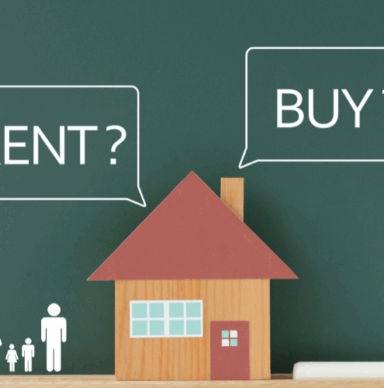
One of the most common myths in real estate is: There’s a “perfect time” to buy.
People wait for “rates to drop,” or “the market to cool,” or “the right season.” They delay decisions waiting for perfect conditions.
Here’s the truth: Perfect timing doesn’t exist. But GOOD timing does, and it’s different for every person.
For some people, NOW is the right time. For others, 6 months from now is better. For others, next year makes sense.
The “right time” isn’t about market conditions. It’s about the intersection of three factors:
- Personal readiness: Are YOU ready?
- Financial readiness: Can YOU afford it?
- Market conditions: Is the market favorable, or at least not terrible?
When all three align, it’s the right time to buy. When even one is missing, it’s not.
This blog helps you determine which camp you’re in, and what to do about it.
Ready to determine your ideal buying timeline? Assess your readiness
The 3 Components of “Right Timing”
Component 1: Personal Readiness
This is non-negotiable. It doesn’t matter if rates are perfect or markets are ideal.
You need:
- ✅ A genuine reason to buy (not external pressure)
- ✅ Commitment to stay 5+ years
- ✅ Emotional readiness for responsibility
- ✅ Clarity on location preferences
- ✅ Understanding of homeownership obligations
Without these: Don’t buy, even if the market is perfect.
Assessment: The previous Blog contains a complete self-assessment form that guides you; If you score 20+ then you’re ready, but if you score below 20, fix those areas first.
Component 2: Financial Readiness
You need adequate resources AND financial stability.
You need:
- ✅ Down payment saved (5-10%+)
- ✅ Closing costs available ($8K-$25K)
- ✅ Emergency fund ($5K-$15K)
- ✅ Stable income (2+ years employment)
- ✅ Debt-to-income ratio acceptable (<39%)
Without these: Don’t buy, even if the market is perfect.
Assessment: Can you afford down payment + closing costs + emergency fund AND keep current lifestyle? If not, wait 3-12 months or until you can.
Component 3: Market Conditions
Only after personal and financial readiness matter market conditions.
Favorable conditions:
- ✅ Interest rates are stable or declining
- ✅ You can qualify for mortgage pre-approval
- ✅ Housing inventory is adequate
- ✅ Seller’s market has cooled slightly (buyer’s advantage)
Unfavorable conditions:
- ❌ Interest rates rising rapidly (wait for stabilization)
- ❌ You cannot qualify for mortgage (fix credit, or income first)
- ❌ Inventory is extremely low (competition fierce)
- ❌ Prices are at all-time highs (wait for correction)
Reality: Market conditions matter LEAST. Your personal and financial readiness matter MOST.
Seasonal Timing: Spring/Summer vs Fall/Winter
There ARE seasonal patterns in real estate. Understanding them helps optimize your timing.
Spring and Summer (March-August): The Active Season
Market characteristics:
- ✅ Most properties listed (highest inventory)
- ✅ Most buyers competing (highest demand)
- ✅ Homes look best (green landscaping, good weather)
- ❌ Highest prices (competition drives up)
- ❌ Most competition (bidding wars likely)
- ❌ Fastest-moving market (less time to decide)
Advantages:
- More homes to choose from
- Properties shown in best light
- Faster closing (summer timing works)
- School year considerations (if relevant)
Disadvantages:
- Higher prices (10-15% above winter)
- More competition (multiple offers)
- Less negotiating power
- Time pressure (more people are buying)
Best for: Buyers with strong financial position, flexible location preferences, ability to close quickly.
Fall and Winter (September-February): The Quiet Season
Market characteristics:
- ❌ Fewer properties listed (lower inventory)
- ✅ Fewer buyers competing (lower demand)
- ❌ Homes look less appealing (dark, cold, bare trees)
- ✅ Lower prices (less competition = lower offers accepted)
- ✅ Less competition (more negotiating power)
- ✅ Slower market (time to consider)
Advantages:
- Lower prices (10-15% below spring)
- Less competition (one offers, not multiple)
- More negotiating power
- Motivated sellers (want to close before holidays)
- Less time pressure
Disadvantages:
- Fewer homes to choose from
- Properties shown in worst light
- Bad weather during showings
- Fewer agents working (harder to find)
Best for: Buyers with specific needs, strong negotiating position, ability to move in winter, patience to find the right home.
Ontario-Specific Seasonal Timing
Spring market (March-May):
- GTA inventory peaks
- Toronto, Mississauga, Brampton see bidding wars
- Prices 10-15% higher than winter
- Competition intense
Summer market (June-August):
- Still active but cooling from spring peak
- End of summer sees some price softening
- More motivated sellers by August
- Good time if spring prices unaffordable
Fall market (September-November):
- Significant softening from summer
- Fewer buyers (schools started)
- More seller flexibility
- Prices 5-10% lower than spring
Winter market (December-February):
- Lowest inventory and prices
- Most motivated sellers
- Best negotiating position
- Cold weather = fewer showings, less competition
Ontario timing advantage: Buy in November-January for best prices and negotiating power.
Interest Rate Timing: Does It Matter?
Interest rates affect affordability significantly.
Rate impact on $500,000 mortgage (25-year amortization):
| Interest Rate | Monthly Payment | Total Cost Over 25 Years |
|---|---|---|
| 3.0% | $1,890 | $567,000 |
| 3.5% | $2,000 | $600,000 |
| 4.0% | $2,110 | $633,000 |
| 5.0% | $2,333 | $700,000 |
| 5.5% | $2,445 | $733,500 |
| 6.0% | $2,560 | $768,000 |
Reality: 1% rate increase = $110-120/month on $500K mortgage
Should you wait for rates to drop?
Don’t wait if:
- ✅ You’re personally and financially ready NOW
- ✅ You’ve found the right home
- ✅ You can afford current rates
- ✅ Rates aren’t expected to drop significantly (unlikely to fall >1%)
Wait if:
- Rates are actively rising (wait for stabilization)
- You cannot afford current rates (wait for drop or improve finances)
- You’re on fence about buying (wait for clarity)
Honest perspective: Trying to time rates perfectly is impossible. Focus on your readiness, not rate predictions.
Market Cycles: Buyer’s Market vs Seller’s Market
Buyer’s market: Inventory high, demand low, prices stable or declining, lots of negotiating power
Seller’s market: Inventory low, demand high, prices rising, little negotiating power
Ontario current state: Market varies by neighborhood, but generally softer than 2021-2022
Should you wait for the buyer’s market?
No, if:
- ✅ You’re ready and found right home
- ✅ You have 5+ year timeline (market cycles)
- ✅ You can afford the home regardless of market
Yes, if:
- You’re in strong seller’s market (bidding wars active)
- You’re borderline on affordability
- You’re not emotionally ready yet
Reality: Average buyer’s market advantage could provide 5 to 10% of price reduction. Not worth delaying 1-2 years.
5 Signs It’s the Right Time for YOU
Sign #1: You’ve Completed Self-Assessment (Blog #7)
- Scored 20+ on readiness test
- Answered all 5 critical questions honestly
- Identified no major red flags
- Feel genuinely ready (not pressured)
Sign #2: You Have Financial Foundation
- Down payment saved (or can access quickly)
- Closing costs available
- 3+ months emergency fund remaining
- Pre-approved for mortgage
- Debt-to-income ratio acceptable
Sign #3: You Know Your Target
- Identified neighborhoods you love
- Visited multiple times (different seasons)
- Know market prices
- Clear on home criteria
- Not settling on location
Sign #4: You Can Afford Current Environment
- Pre-approved at current interest rates
- Monthly payment comfortable (30-35% of income)
- Can handle unexpected repairs
- Not stretching to max approval
- Financial security intact
Sign #5: You’re Not Running Away From Something
- Not buying to escape bad relationship
- Not buying to prove something
- Not buying to keep up with friends
- Not buying impulsively
- Buying because it’s genuinely right
5 Signs You Should WAIT
Sign #1: You Haven’t Done Self-Assessment
- Unsure about reasons to buy
- Unclear on location preference
- Uncertain about long-term plans
- Feeling pressure from others
- Better to wait 3 months and reassess
Sign #2: Financial Foundation Missing
- Down payment not fully saved
- Minimal emergency fund
- Recent job change
- High credit card debt
- Better to wait 6-12 months and build foundation
Sign #3: Credit Score Needs Improvement
- Score below 680
- Recent negative marks
- Inconsistent payment history
- Better to wait 6-12 months and improve
Sign #4: Interest Rates Actively Rising
- Rates up 1%+ in past 3 months
- Fed signals more increases coming
- Affordability becoming stretched
- Better to wait for stabilization (1-3 months)
Sign #5: You’re In Major Life Transition
- Changing jobs
- Relationship ending/forming
- Moving for work (uncertain)
- Major health issues
- Better to wait for stability (3-6 months)
Ontario Timing Recommendations by Situation
Situation #1: Good credit, stable income, ready to buy NOW
- Timing: Immediate (fall/winter for best prices)
- Market matters: Yes, try to catch cooler market
- Action: Get pre-approved, and start house hunting immediately
Situation #2: Good credit, stable income, financially ready in 3-6 months
- Timing: Wait until financially ready (late fall/winter ideal)
- Market matters: Less important than your readiness
- Action: Save final funds, maintain credit, plan for Q4 purchase
Situation #3: Building credit, financially ready, 6-12 month timeline
- Timing: Wait for credit improvement
- Market matters: Less important
- Action: Rent-to-own may be better option (own sooner while building credit)
Situation #4: Can’t qualify for traditional mortgage
- Timing: Rent-to-own NOW (doesn’t matter when)
- Market matters: No (RTO predetermined pricing)
- Action: Apply for RTO immediately, move in within months, own in 3-4 years
Situation #5: Uncertain about readiness
- Timing: Wait 3-6 months for clarity
- Market matters: Less important than certainty
- Action: Complete self-assessment, live in potential neighborhoods, reassess timing
Frequently Asked Questions
No, unless rates are actively rising and you can’t afford them.
Rates are unpredictable. Waiting months for 0.5% rate drop it’s an uncertain outcome. But you KNOW the home is right for you if you’ve done proper assessment.
Focus on what you control (your readiness) not what you can’t predict (rates).
Yes, typically 5-15% lower prices than spring due to:
- Fewer buyers competing
- Motivated sellers wanting to close before holidays
- Winter weather discouraging casual buyers
- More negotiating power
However: Less inventory in winter, so fewer homes to choose from.
Best Ontario timing: November brings fall prices, and some inventory is still available.
There’s no perfect time. There’s only “right for me” timing.
Missing the spring market doesn’t mean missing homeownership. Fall is coming. Winter is coming. Next spring is coming.
Focus on readiness, not market timing.
Depends on what’s missing:
| What’s Missing | Timeline |
|---|---|
| Down payment | 6-12 months (build savings) |
| Credit improvement | 6-18 months (reduce debt, on-time payments) |
| Employment stability | 6 months (wait for history) |
| Personal clarity | 3-6 months (live, think, reassess) |
| Life stability | 3-12 months (situation clarity) |
Don’t rush. Readiness matters more than market timing.
Not if:
- ✅ You’re ready (personal + financial)
- ✅ You found the right home
- ✅ You can afford it
- ✅ You’re not overpaying due to competition
The PERSON matters more than the SEASON.
Your Action Plan: Determine Your Timing
This week:
- Complete a self-assessment from our Blogs (personal readiness)
- Assess financial readiness (down payment + closing costs available?)
- Get pre-approved for mortgage (if score 680+)
- Determine: Am I ready NOW or do I need to wait?
If you’re ready NOW:
- Start house hunting (focus on fall/winter if possible for better prices)
- Work with realtor to identify homes
- Make offers on homes you love
If you need to wait (3-6 months):
- Identify specific areas to improve (credit, savings, clarity)
- Create timeline (e.g., “Ready by November”)
- Take action steps toward readiness
- Revisit timeline in 3 months
If you need to wait (6-12 months):
- Major work needed (credit, savings, job stability)
- Create month-by-month improvement plan
- Consider rent-to-own as alternative (if credit is primary barrier)
- Check progress quarterly
Ready to Determine YOUR Timing?
The “right time” isn’t about the market. It’s about YOU.
When you’re personally ready, financially prepared, and the market isn’t actively hostile—that’s your time.
Stop waiting for perfection. Good is good enough.
- Complete the Homebuyer Readiness Assessment — Determine if you’re ready NOW
- Assess Financial Readiness in our main FAQ — You’ll know exactly how much funds you need
- Explore Rent-to-Own for Faster Timeline — If traditional path takes too long
- Get Pre-Approved for Mortgage — Confirm buying power immediately