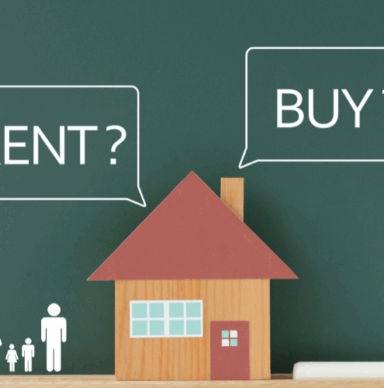
How Does Rent-to-Own Housing Work?

Rent-to-own housing, or lease-option/lease-to-own, is a type of agreement in which a tenant rents a property for a certain period of time, with the option to purchase the property at the end of the lease. This type of arrangement can provide benefits for both the tenant and the landlord, as it allows the tenant the opportunity to purchase a home without the immediate financial commitment of a traditional mortgage while also allowing the landlord to sell the property at a predetermined price.

The Rent-to-Own Housing Process

Step 1: Tenant Finds a Property

The process of rent-to-own housing typically starts with the tenant finding a property they are interested in purchasing. They will then enter into a lease-option agreement with the landlord, which outlines the terms and conditions of the agreement. This will typically include the length of the lease, the purchase price of the property, and the portion of the rent that will be applied towards the purchase price.

Step 2: Tenant Pays Monthly Rent for the Selected Property

During the lease period, the tenant will pay a monthly rent, with a portion of that credit applied towards the purchase price of the property. This can be a great way for the tenant to build credit and save for a down payment. The portion of the credit applied towards the purchase price can be used as a down payment when the tenant is ready to purchase the property.

Step 3: Tenant Gets the Option to Purchase the Property

At the end of the lease period, the tenant has the option to purchase the property for the agreed upon purchase price. This can be a great way for the tenant to become a homeowner, as they have had the opportunity to save money towards the purchase price while renting the property. The tenant also knows the end purchase price without wondering what a house will be worth in 3-5 years.

The Benefits of Rent-to-Own Housing for Landlords

For the landlord, rent-to-own housing can be a great way to increase the potential selling price of the property. As the tenant is paying a portion of the rent towards the purchase price, the landlord sells the property at a predetermined price than if they had rented it out traditionally. Additionally, rent-to-own housing can also be a great way to attract and retain high-quality tenants, as the tenant is more likely to take care of the property if they have the option to purchase it in the future.

Key Considerations for Rent-to-Own Agreements

It’s important to note that rent-to-own agreements can be complex, and it’s crucial that both the tenant and landlord fully understand the terms and conditions of the agreement. It is also important for both parties to have legal representation to ensure that the agreement is fair and legally binding.

Example of How Rent-to-Own Housing Works

Jane is a tenant who is interested in purchasing a home, but currently does not have the financial means to do so. She applies to a Rent to Own Company who buys a property that Jane is interested in purchasing. They agree on the following terms for their rent-to-own agreement:

  • The lease will be for a period of three years.
  • The purchase price of the property is $400,000.
  • Jane will pay $2,000 per month in rent, with $300 of that rent applied towards the purchase price of the property.
  • At the end of the three-year lease, Jane has the option to purchase the property for $400,000, with the $10,800 she has saved from the rent applied towards the purchase price.
  • If Jane decides not to purchase the property at the end of the lease, she is not obligated to purchase and can move out.
  • During the lease period, Jane will be paying rent, but also saving money towards the purchase price of the property. At the end of the lease, she has the option to purchase the property for $400,000 and her savings from the rent applied towards the purchase price, which can help her to be able to afford it.

For Michael, the landlord, he can sell his property in 3 years.

It is important for both Jane and Michael to consult with legal representation to ensure the agreement is fair and legally binding, and to review the terms and conditions of the agreement before signing.

Start Your Rent-to-Own Housing Journey with JAAG Properties

Embarking on your rent-to-own housing journey with JAAG Properties opens a gateway to a unique and flexible path towards homeownership. The rent-to-own housing process provides an opportunity for individuals to ease into homeownership while enjoying the benefits of renting. Take the first step with JAAG Properties and let the journey towards homeownership unfold with confidence and assurance.

Everything You Need to Know About Rent-to-Own in Canada

This guide is for Ontario residents exploring rent-to-own as a homeownership pathway.

What you’ll learn:

  • What rent-to-own actually is (and what it isn’t)
  • Why Ontario homebuyers choose RTO over traditional mortgages
  • Real benefits and honest limitations for Ontario residents
  • How RTO differs from private landlord arrangements
  • Ontario-specific regulations and protections
  • Whether RTO makes sense for your situation
  • How to evaluate RTO operators in Ontario

THE ONTARIO CONTEXT: WHY RTO IS GROWING

Between 2021-2023, traditional mortgage qualification became harder across Ontario.

  • Stress test requirements tightened
  • Interest rates climbed from 1.5% to 7%+
  • Credit score requirements stayed strict
  • Down payment expectations remained high

Result: Millions of Ontario residents became “stuck” capable of affording homes but unable to qualify through traditional channels.

Rent-to-own filled that gap. Not as a quick fix, but as a legitimate 3-4 year pathway to homeownership.

In Ontario specifically, JAAG has helped hundreds families navigate this pathway. Adam Wissink explains: “We’re not replacing the mortgage system. We’re providing an alternative for people the system has locked out.”

Understanding the real opportunity and the real limitations of RTO is critical for Ontario homebuyers.

Ontario-Specific Protections

Ontario provides clear regulatory protections for rent-to-own agreements through:

  • Residential Tenancies Act (RTA) – Governs rental relationships and tenant rights
  • Consumer Protection Act (CPA) – Protects against unfair practices and hidden fees
  • Landlord and Tenant Board (LTB) – Provides dispute resolution authority
  • Real Estate Council of Ontario (RECO) – Oversees licensed agents

These protections mean ethical RTO operators like JAAG must follow clear standards. Be wary of operators who don’t mention these regulations. it’s a red flag.

WHAT IS RENT-TO-OWN? (The Honest Definition)

Rent-to-own is a structured agreement allowing you to:

  • Live in a property as a tenant for 3-4 years
  • Accumulate down payment (portion of monthly rent allocated toward purchase)
  • Build credit through on-time payments and coaching
  • Purchase the property with a traditional mortgage at the end

It is NOT:

  • ❌ A quick path to ownership (takes 3-4 years, not 6 months)
  • ❌ A solution if you can already qualify for traditional mortgage
  • ❌ Cheaper than traditional ownership long-term
  • ❌ A guaranteed path (you must qualify for mortgage at the end)

HOW RTO ACTUALLY WORKS IN ONTARIO

Step 1: Qualification (1 week)

You need:

  • Household income: $100K+ (stable, documented)
  • Down payment available: 3% (~$15,000 on $500K home)

Why these requirements:

  • Income proves you can afford monthly payments for 3-4 years
  • Credit score shows you pay your obligations (even if imperfect)
  • Down payment demonstrates commitment
  • Canadian income history is easier to verify (less fraud risk)

Step 2: Property Selection

You choose your home. Work with your RTO provider’s real estate team to:

  • Find properties within your approval price
  • Verify condition and location
  • Ensure it’s suitable for your family

Ontario example: JAAG clients might find a $450K bungalow in London, a $550K townhouse in Ottawa, or a $600K home in the GTA, all within the same approval range, reflecting local market values.

Step 3: Agreement and Initial Down Payment

  • You pay a minimum 3% down payment
  • Your purchase price is predetermined from day one.

This is the critical difference from traditional real estate: you know exactly what you’ll pay in year 3-4, regardless of market changes.

Step 4: Monthly Payments (36-48 months)

Your payment covers:

  • Mortgage
  • Property tax, insurance, maintenance
  • Down payment accumulation

Real Ontario example on $500K home:

  • Monthly payment: $3,500

This includes everything needed to prepare you for mortgage qualification

Step 5: Credit Building (Ongoing)

This is where ethical operators like JAAG differ from private arrangements:

  • Structured credit coaching (not just hoping credit improves)
  • Regular check-ins (3 to 4 physical check ins + unlimited access to advisor)
  • Proactive guidance (advice on debt, new accounts, credit mix)
  • Real results (95%+ reach mortgage-ready credit)

Step 6: Mortgage Qualification (3-6 months before end)

Starting in year 2-3:

  • Meet with mortgage broker
  • Verify credit is mortgage-ready (680+)
  • Confirm income stability
  • Lock mortgage rate
  • Prepare for purchase

Step 7: Purchase (Year 3-4)

You purchase the property using:

  • Your accumulated down payment
  • Your original down payment
  • New mortgage for the remaining balance
  • You own the home

THE REAL BENEFITS OF RTO IN CANADA

1. Alternative When Traditional Mortgage Rejects You

The stress test locks out millions of Canadians who are genuinely capable of owning.

Typical rejection reasons:

  • Credit score 650-680 (not excellent, but acceptable)
  • Self-employment income (hard to verify)
  • Recent job change (income history too short)
  • Debt-to-income ratio slightly over threshold
  • Down payment too small

RTO sidesteps these barriers by providing 3-4 years to improve credit and accumulate down payment.

Adam Wissink’s perspective: “We’re helping people the mortgage system rejected despite having real income and real ability to pay.”

2. Immediate Homeownership

You move into your home immediately. You don’t wait 3-5 years in rental housing while saving down payment.

Psychological benefit is real: This is MY home, not a rental. You can paint walls, make improvements, establish roots.

3. Structured Down Payment Building

Rather than hoping to save $100K for down payment, your monthly payment automatically accumulates down payment.

No willpower required. The structure does it for you.

On a $500K home with $3,500 monthly payment, you might accumulate $20,000 toward down payment automatically.

4. Credit Building Support

With JAAG, you get actual credit coaching, not just hoping credit improves.

This matters enormously because most people don’t understand what helps/hurts credit. A credit advisory program prevents mistakes (like taking car loans or other debts at the wrong time) that derail qualification.

5. Price Certainty

Your purchase price is predetermined on day one. No market risk.

If the market appreciates 20%, you still pay the agreed price. If the market crashes 15%, you still pay the agreed price.

This certainty lets you plan financially 3-4 years ahead.

6. Professional Management

Unlike private landlord RTO, professional operators like JAAG:

  • Handle maintenance professionally
  • Manage property tax and insurance
  • Provide legal support
  • Maintain professional relationships

No personal drama with the landlord.

THE HONEST LIMITATIONS OF RTO

1. It Takes 3-4 Years

This isn’t quick. If you need to own it in 1-2 years, RTO doesn’t work.

If you can wait 3-4 years, it’s acceptable.

2. You Must Meet Income Requirements ($100K+)

RTO requires stable income to sustain payments for 3-4 years. If your household income is below $100K, you may not be able to afford the cost of home ownership.

3. You Must Qualify for Mortgage at the End

RTO doesn’t guarantee you’ll qualify for a traditional mortgage.

Reality check: 95%+ of JAAG clients do qualify, but some don’t. However at JAAG, we allow our clients to extend the term which means you get to stay in your house and keep your down payments. JAAG is here to work with you and for you.

4. You’re Commited Into Location

If you need to move in year 2 for job reasons, you’re commited. Leaving early may forfeit your accumulated down payment as the house would need to get sold and your down payment would get used for sale costs.

RTO requires 3-4 year commitment to one location.

6. Monthly Payments Might Be Higher Than Renting

Your RTO payment (~$3,500 on a $500K home) might be higher than traditional rent (~$2,500).

You’re paying more because you’re building down payment + credit + buying a home eventually.

RTO COMPANY VS. PRIVATE LANDLORD: THE CRITICAL DIFFERENCE

This distinction is essential. Not all RTO arrangements are equal.

RTO Company Model (Professional Operator)

Structure:

  • Multiple properties available
  • Standardized agreements
  • Professional property management
  • Legal representation available
  • Transparent pricing methodology

Pros:

  • ✅ Professional standards
  • ✅ Investor accountability
  • ✅ Structured credit coaching
  • ✅ Legal protections
  • ✅ Professional dispute resolution

Cons:

  • Slightly higher cost (paying for professionalism)
  • Less personal relationships
  • Formal agreements (less flexibility)

Example: JAAG

  • Portfolio of Ontario properties
  • Structured agreements
  • Credit coaching
  • Legal compliance with provincial regulations
  • Investor backing for security

Private Landlord RTO (Individual)

Structure:

  • One property only
  • Informal agreement
  • Individual management
  • Legal representation optional
  • Pricing methodology not standardized

Pros:

  • ✅ More personal
  • ✅ Potentially lower cost
  • ✅ More negotiation flexibility

Cons:

  • ❌ Less accountability
  • ❌ No structured credit coaching
  • ❌ Handshake agreements are risky
  • ❌ Individual landlord might disappear or become difficult
  • ❌ Less legal clarity
  • ❌ Higher default/dispute risk

Real risk: Private landlord keeps accumulated down payment if they disappear or disagree with you.

WHO SHOULD CHOOSE RTO?

✅ Good fit for RTO:

  • Income: $100K+ (stable)
  • Credit: 650-700 (improving)
  • Timeline: 3-4 years to ownership
  • Situation: Can’t qualify for traditional mortgage
  • Commitment: Willing to stay in one location
  • Mindset: Willing to work on credit improvement

❌ Not a fit for RTO:

  • Income below $100K
  • Credit below 650 (needs improvement first)
  • Timeline shorter than 3 years
  • Plan to move in 2 years
  • Already qualify for traditional mortgage (just do that)
  • Unwilling to engage with credit coaching

HOW TO EVALUATE RTO OPERATORS IN CANADA

Before signing with ANY RTO provider, verify:

  • Transparent pricing – Ask for methodology (appreciation estimate, fees)
  • Credit coaching available – Not just hoping credit improves
  • Early buyout option – Can you purchase before 3-4 years if ready?
  • Legal representation – Can you consult a lawyer before signing?
  • Track record – How many clients have successfully purchased?
  • Property insurance/maintenance – Who pays for repairs?
  • Dispute resolution process – What if disagreement arises?

Red flags:

  • ❌ “Guaranteed approval” (legitimate RTO still requires qualification)
  • ❌ Upfront fees before funding
  • ❌ Vague pricing methodology
  • ❌ No credit coaching offered
  • ❌ No flexibility on early buyout
  • ❌ Can’t verify track record

THE ONTARIO RTO OUTLOOK

RTO is growing in Ontario because:

  • Traditional mortgage qualification is harder
  • Down payment requirements are higher
  • Credit score requirements are strict
  • Stress test limits who qualifies

This isn’t temporary. These barriers will persist. RTO will remain a legitimate pathway for millions of Ontario homebuyers.

The key: Choosing ethical operators (like JAAG) over predatory ones. The difference determines whether RTO helps you own or costs you thousands.

COMMON QUESTIONS

Q: Is RTO available in Ontario?

A: Yes. JAAG operates throughout Ontario, including the GTA, Southwestern Ontario, and Eastern Ontario. RTO provides an alternative for Ontario homebuyers who can’t qualify for traditional mortgages. See our What is RTO Blog for operator evaluation criteria.

Q: What’s the difference between RTO and lease-option?

A: In Ontario, lease-option and rent-to-own are the same thing. Both mean you rent with the option to purchase. Terminology varies, but the mechanics are identical under Ontario’s Residential Tenancies Act.

Q: Are RTO agreements legal in Ontario?

A: Yes. For ethical operators like JAAG that uses agreements that are governed by Ontario’s Residential Tenancies Act and Consumer Protection Act. These laws protect tenants and require transparent terms. See our Mortgages Blog #6 for how to verify operator legitimacy.

For a personalized assessment, reach out to us, we’d love to hear from you.

Rent-to-Own Investment for Family Financial Planning

Parents often think about real estate investing in the family context: “Can I buy a property and help my child?”

The answer is yes, but not in the way you might imagine.

There are actually TWO different conversations here that often get confused:

  1. You as an investor: Buy properties and rent them to qualified clients (who happen to be unrelated)
  2. Your child as a client: Qualify for rent-to-own themselves if they meet requirements

This blog untangles these two paths and shows you realistic ways families can use rent-to-own for financial planning.

Part 1: Parents as Rent-to-Own Investors

What This Means

You purchase a property and rent it to a qualified tenant through a rent-to-own company (like JAAG). The tenant rents with an option to buy after 3-4 years.

  • Your role: Property owner/investor
  • Tenant’s role: Renter with purchase option
  • Relationship: Business transaction, not family

Why This Works for Parents

Building family wealth:

  • You earn 15-20% annual returns
  • Property appreciates over time
  • Builds portfolio for retirement or legacy

Teaching children about real estate:

  • Children see you invest and succeed
  • Learn market dynamics, financial planning
  • Model wealth-building behavior

Diversifying income:

  • Supplement retirement income
  • Active investment (different from stocks)
  • Tangible asset (real estate vs paper investments)

Why Family Involvement Complicates Things

Here’s the critical distinction: Do NOT rent your property to your own child as a “family arrangement.”

Why this doesn’t work:

Legal complications:

  • Landlord/tenant laws still apply, and family doesn’t exempt you
  • Eviction possible if child defaults becomes awkward, and legally complex
  • Lease agreements are required even with family

Emotional complications:

  • Money disputes damage family relationships
  • “Parent as landlord” creates power imbalance
  • Resentment if property appreciates and child misses purchase deadline

Financial complications:

  • If child can’t qualify for mortgage at end, you must find new tenant
  • Property held up in family dynamics
  • Tax implications of intrafamily transactions

Lending complications:

  • When the child eventually needs mortgage, the lender sees previous rent-to-own with family member
  • Questions about terms arise, were they favorable? should have been a loan instead?
  • Complicates child’s own financing with this scenario

Bottom line: RTO works because it’s a clean business transaction. Adding family elements undermines that.

Part 2: Your Adult Child as a Rent-to-Own Client

The Different Path

Your adult child could be a rent-to-own CLIENT renting from someone else with the option to buy.

But they must qualify, which means:

  • Income: $100,000+ household minimum
  • Down payment: 3%+ of property value available
  • Employment: 2+ years stable Canadian history, longer if newcomer
  • Credit: below 680 Building credit is acceptable

Who This Works For

Adult child earning $100,000+ who:

  • Struggles to save 5% down payment for a traditional mortgage
  • Has credit below 680
  • Wants to move in immediately instead of wait 12-18 months to save more
  • Benefits from credit support during program

A Realistic Family Scenario

Sarah (your daughter):

  • Age 28, earned $105,000/year
  • Credit score 665 since She is recovering from past financial hardship
  • Saved $12,000 toward down payment
  • Wants homeownership in 12 months, not 3 years

Sarah’s situation:

  • Can’t qualify for traditional mortgage with 665 credit score
  • Traditional mortgage would take 12-18 months to build credit
  • Rent-to-own is viable option

Sarah’s path:

  • Applies to JAAG (or similar company)
  • Gets approved ($12,000 down = 3% on $400K home)
  • Moves in within 30 days
  • Works with credit team during 3-4 year program
  • Purchases at end with improved credit

Your role as parent:

  • Support her financially, and don’t be landlord
  • Help strategize (RTO vs traditional trade-offs)
  • Offer encouragement (real estate is long-term wealth building)
  • Avoid: Being the landlord or co-signer

This works because Sarah qualifies independently. Your relationship remains parent-child, not landlord-tenant.

Part 3: How Parents Can Actually Help

If Your Child Qualifies as RTO Client

  • ✅Offer emotional support (homeownership journey is stressful)
  • ✅Help with budgeting/financial planning
  • ✅Suggest RTO if they meet criteria
  • ✅Co-sign mortgage if needed (when they eventually purchase)

If it Doesn’t:

  • ❌Be the landlord (hire a company instead)
  • ❌Co-own the property with them
  • ❌Provide “family rates” (complicates everything)
  • ❌Expect to profit from their rent

If You’re the Investor and Child Doesn’t Qualify

Your child doesn’t meet $100K+ income threshold yet?

Realistic options:

  • ✅Help them increase income first (career development)
  • ✅You invest separately (buy properties, rent to unrelated clients)
  • ✅Wait until they qualify (be patient, support their growth)
  • ✅Help with down payment savings (gift to support when they’re ready)

Don’t try to:

  • ❌Rent them property at “family discount” (RTO requires specific economics)
  • ❌Force them into RTO before they qualify
  • ❌Use family arrangement to sidestep requirements

Part 4: Multiple Family Scenarios

Scenario A: Parent as Investor, Child Qualifies Separately

Parent:

  • Buys property in Southwestern Ontario ($350K)
  • Rents to unrelated qualified client ($2,000/month)
  • Earns 10% annual return
  • Builds portfolio

Adult Child:

  • Earns $110,000/year
  • Wants homeownership
  • Applies to JAAG independently
  • Rents different property with option to buy

Parent and child are both in system, but separate transactions

Why this works: Clean business arrangements, family relationship untainted

Scenario B: Parent Helps Child Financially Without Being Landlord

Adult Child:

  • Earns $102,000/year
  • Has $8,000 saved (not enough for 3% down on $400K)
  • Needs $4,000 more

Parent:

  • Gifts $4,000 (or loan with clear terms)
  • Child now has $12,000 (3% down available)
  • Child applies to JAAG, qualifies independently
  • Parent helped financially, not as landlord

Why this works: Financial support without landlord complications

Scenario C: Parent Doesn’t Invest, Focuses on Child’s Success

Parent:

  • Not interested in being investor
  • Wants to help adult child achieve homeownership
  • Child earns $95,000 (below $100K+ threshold currently)

Plan:

  • Support child in increasing income with career development, or education
  • In 12-18 months, child earns $110,000
  • Child applies to JAAG, qualifies independently
  • Parent’s role: supporter, not investor

Why this works: Focused on child’s long-term success, not rushed into RTO before ready

The Honest Truth About Family + Real Estate

Family + real estate investments can work, but requires clarity:

Works when:

  • ✅ Clear business arrangements (not “family favors”)
  • ✅ Separate transactions (you invest, child is separate client)
  • ✅ Professional structure (legal agreements even with family)
  • ✅ Aligned timelines (both ready at same time)

Fails when:

  • ❌ Trying to mix family and landlord/tenant
  • ❌ Expecting special terms because of relationship
  • ❌ Child doesn’t actually qualify (forcing RTO before ready)
  • ❌ Vague arrangements (“we’ll figure it out later”)

Frequently Asked Questions

Can I lend my child money for a down payment?

Yes. You can give a gift or loan. If loan, document terms clearly with interest rate, and repayment schedule. This prevents future family conflict about expectations.

For RTO specifically: Children must have their own $100K+ income. Your money helps, but doesn’t replace their income requirement.

What if my child doesn’t qualify for rent-to-own yet?

If below $100K income: They’re not ready for RTO (traditional or otherwise). Focus on income growth first. Support their career development, education, skill-building.

In 2-3 years when income is higher: RTO becomes viable.

Should I co-sign the mortgage when my child purchases?

Possibly. If their credit improved significantly during the RTO program and income stable: might not need co-signer. If still building: co-signing helps.

Discuss with the mortgage lender when time comes. It’s a bridge, not permanent.

Can I buy a property and rent it to my child at a discount?

Technically possible, but complicated. Standard RTO requires a specific monthly amount that includes equity building, and program costs. Discounting changes economics.

Better approach: You invest at standard rates, separately help your children qualify independently.

Your Family Financial Planning Path

If considering rent-to-own for family planning:

Step 1: Be clear on your role

  • Are you an investor (buying properties)?
  • Is your child the client (renting with option)?
  • Both roles but separate transactions?

Step 2: Check child’s qualification (if they’re the renter)

  • Income: $100,000+?
  • Employment: 2+ years stable?
  • Down payment: 3%+ available?
  • Timeline: Ready to commit 3-4 years?

Step 3: Keep roles separate

  • Legal agreements in place (even with family)
  • Professional structure (not “we’ll figure it out”)
  • Clear expectations (no surprises)
  • Backup plan (what if circumstances change?)

Step 4: Support appropriately

  • Financial (gifts or loans as needed)
  • Emotional (encouragement through process)
  • Strategic (help them plan)
  • Professional (legal, and financial advice)

The Bottom Line

Rent-to-own can be part of family financial planning, but requires clarity:

  • You as investor: Buy properties, rent to qualified unrelated clients, build portfolio
  • Your child as client: Qualify independently ($100K+ income), rent from someone else, build own ownership path

Keep roles separate. Keep relationships clean. Support each other appropriately.

Why Would Someone Purchase a Home Through a Rent-to-Own Provider?

Prospective homebuyers are increasingly exploring alternative paths to homeownership. One such avenue is the rent-to-own model. This path offers a middle ground between renting and traditional home purchasing, providing individuals with an opportunity to ease into homeownership through a rent-to-own provider.

What is Rent-to-Own Housing?

Rent-to-own housing, also known as lease-option or lease-to-own, is an agreement in which a tenant rents a property for a certain period of time, with the option to purchase the property at the end of the lease. This type of arrangement can provide benefits for both the tenant and the landlord, as it allows the tenant the opportunity to purchase a home without the immediate financial commitment of a traditional mortgage, while also allowing the landlord to sell the property at a predetermined price.

5 Reasons to Use a Rent-to-Own Provider

There are several reasons why someone might choose to purchase a home through a rent-to-own provider.

1. Build Credit & Save for a Down Payment

Rent-to-own housing can be a great way for tenants to build credit and save for a down payment. A portion of the rent paid each month is often credited towards the purchase price of the property, which can be used as a down payment when the tenant is ready to purchase the property.

2. Flexibility

Rent-to-own housing can provide more flexibility than traditional home buying. Tenants can test out a neighbourhood or home before committing to a purchase, and they can move out at the end of the lease if they decide they don’t want to purchase the property.

3. Stable Housing

Rent-to-own housing can provide a sense of stability, as the tenant has the option to purchase the property at the end of the lease, rather than having to move again.

4. Non-Traditional Credit History

For tenants who have a non-traditional credit history, renting-to-own may be a more viable option than a traditional mortgage. Rent-to-own providers may be more lenient when it comes to credit requirements, making it more accessible to those who may not qualify for a traditional mortgage.

5. Improve the Property

Tenants may have an opportunity to improve the property while they’re renting it. This can increase the value of the home and make it more appealing to the tenant buyer in the future.

Why Would Someone Purchase a Home Through a Rent-to-Own Provider?

Maria is a tenant who is interested in purchasing a home, but currently does not have the financial means to do so. She has a non-traditional credit history and may not qualify for a traditional mortgage. After being approved for JAAG’s Rent to Home Solution, Maria works with a real estate agent to find a home of her choice, considering her purchase price budget. Then JAAG Properties buys the property and Maria enters a rent to own agreement, moving in immediately and pays rent to JAAG. After 3 years, Maria will then buy the home from the rent to own company and become a homeowner.

In this example, Maria has the opportunity to build credit and save for a down payment while renting the property. Maria also has the flexibility to move out at the end of the lease if she decides she doesn’t want to purchase the property and finds a more suitable one.

Choose JAAG Properties as Your Rent-to-Own Provider

Rent-to-own housing can be an appealing option for those looking to purchase a home but may not have the immediate financial means to do so. It can also be a great way for landlords to increase the potential selling price of their property. As with any real estate transaction, it is important for both parties to completely understand the terms and conditions of the agreement, and to have legal representation.

What are The Pros and Cons of Purchasing a Home Through a Rent-to-Own Company?

Rent-to-own companies offer a unique opportunity for individuals to purchase a home without the traditional financial commitment of a mortgage. This type of agreement allows renters to pay a monthly rent, with a portion of that rent applied as a credit towards the purchase price of the home. However, as with any real estate transaction, there are both pros and cons to purchasing a home through a rent-to-own company.

Pros & Cons of Purchasing a Home Through a Rent-to-Own Company

Pros

One of the biggest pros of renting-to-own through a company is the ability for renters to build credit and save for a down payment while living in the home they hope to purchase. This can make it easier for renters to qualify for a traditional mortgage in the future. Additionally, rent-to-own agreements can provide a sense of stability, as renters have the option to purchase the property at the end of the lease rather than having to move again.

Another benefit of rent-to-own companies is that they often provide legal representation and support throughout the process, which can be particularly helpful for first-time home buyers who may not be familiar with the legalities of purchasing a home.

Another benefit of renting to own is that, when it comes time to purchase the home, the purchase price is often lower than market value. It’s important for renters to thoroughly research and compare prices before entering into a rent-to-own agreement. 

Finally, an added benefit is the fact that when someone enters a rent to home agreement, the purchase price is pre-determined so at the end of the term a renter knows exactly what they’re paying. If they wait, future home prices may be higher. Additionally, the rent-to-own term allows the renters to ‘test’ the house and neighbourhood without the obligation of purchasing. If they don’t like either, they can move out at the end of the term.

Cons

There are also some cons to consider when purchasing a home through a rent-to-own company. One of the biggest cons is that if the renter decides not to purchase the home at the end of the lease period, any option fee or equity will typically be forfeited. 

Purchase a Home Through JAAG Properties

Overall, purchasing a home through a rent-to-own company can be a great option for individuals who are not yet financially ready to purchase a home outright. However, it is important to weigh the pros and cons and fully understand the terms and conditions before entering into an agreement. It is also advisable to seek legal or financial advice to make sure the agreement aligns with your goals and financial situation.

Our Rent to Home Solution makes it easy to get your foot into the housing market, with our program offering agreements that are tailored to our clients needs. With a no-cost application process and no penalties for breaking agreements, you can start on the path to homeownership with flexibility and peace of mind.

If you are interested in purchasing a home through a rent-to-own company, get in touch with the experts at JAAG Properties.

What is Rent-to-Own?


Rent-to-own, also known as lease-option or lease-to-own, is a unique type of agreement that allows tenants to rent a property for a certain period of time with the option to purchase the property at the end of the lease. This type of arrangement can be incredibly beneficial for tenants who are looking to purchase a home but may not have the immediate financial means to do so. Learn what rent-to-own housing is, how it works, and the benefits of working with a rent to own company.

Rent-to-own Agreement

In a rent-to-own agreement, the tenant pays a predetermined monthly rent. A portion of this rent (known as the Rent Credit) is applied towards the purchase price of the property, which the tenant has the option to buy at the end of the lease period. This allows tenants to build credit and save for a down payment while also gaining a sense of stability as they have the option to purchase the property at the end of the lease rather than having to move again.

Rent-to-own Companies

Rent-to-own companies typically provide a wide range of services to help tenants navigate the rent to own process. They can help tenants to build credit and save for a down payment, as a portion of the rent paid each month is often applied towards the purchase price of the property. Rent to own companies also provide legal representation and support throughout the process.

It’s important for tenants to fully understand the terms and conditions of the agreement before signing on. This should include the length of the lease, the purchase price of the property, and the portion of the rent that will be applied towards the purchase price. It is also important for tenants to have legal representation to ensure that the agreement is fair and legally binding.

Key Takeaways

Overall, rent-to-owns can be a great option for those looking to purchase a home but may not have the immediate financial means to do so. Rent to own companies can provide additional resources and support to ensure a successful transaction for both parties. If you’re interested in rent-to-own housing, it’s important to research your options and fully understand the terms and conditions of the agreement before signing on.

Example of a Rent-to-own Housing Agreement

John is a tenant who is interested in purchasing a home, but currently does not have the financial means to do so. He finds a rent-to-own company and is approved. They agree on the following terms for their rent-to-own agreement:


  • John finds a home within his approval price
  • The lease will be for a period of three years.
  • The purchase price of the property is $300,000.
  • John will pay $1,500 per month in rent, with $300 of that rent applied towards the purchase price of the property.
  • At the end of the three-year lease, John has the option to purchase the property for $320,000, with the $10,800 he has saved from the rent applied towards the purchase price.


If John decides not to purchase the property at the end of the lease, he could forfeit the amount saved towards the purchase price.

In this example, John has the opportunity to save money towards the purchase price of the property while renting it. It’s important for John to consult with legal representation to ensure the agreement is fair and legally binding, and to review the terms and conditions of the agreement.


Ready to navigate the Rent-to-Own housing Process? APPLY NOW

What Is The Difference Between A Rent-to-Own Company and a Private Landlord?

Rent-to-own homes, also known as lease-option or lease-to-own homes, are an increasingly popular housing option for Canadians looking to buy a home. These types of homes allow renters to live in a property while they work on improving their credit or saving for a down payment, with the option to purchase the home at the end of the lease period.

When it comes to finding a rent-to-own home, there are two main options: working with a company or working with a private landlord. Both options have their own set of pros and cons, and it’s important to understand the differences between the two before making a decision.

Rent-to-Own Company VS. Private Landlord

Rent-to-own companies are companies that specialize in providing rent-to-own homes to renters. These companies often have a portfolio of properties available and may have more structured agreements and professional management. They also may allow clients to work with a realtor to find and choose their own home on the market. On the other hand, private landlords may have only one property available for rent-to-own, and the agreement and management may be less formal.

Pros & Cons of Working with a Rent-to-Own Company

The benefits of working with a rent-to-own company include having access to a wide variety of properties, professional management services, and structured agreements. Due to the nature of structured agreements, rent-to-own companies can offer more flexibility than landlords.

Pros & Cons of Working with a Private Landlord

Landlords may be more flexible with the terms of the agreement and may be willing to work with renters to find a solution that works for both parties. However, the downside to working with a private landlord is that there is less security and less professional management, which can make the process of renting and buying a home more challenging.

Work with JAAG Properties to Rent-to-Own a Home

In conclusion, working with a rent-to-own company or a private landlord both have their own set of benefits and drawbacks. It’s important to weigh the pros and cons and choose the option that best fits your needs. While companies can offer more properties, professional management and structured agreements, private landlords already own the house and move in can be quicker, but less security and management. Ultimately, the decision will depend on the individual’s needs, preferences and what they value most in an agreement. If you need quality advice and expertise on rent-to-own homes, contact JAAG Properties to learn more.

How is A Rent-to-Own Purchase Price Calculated?

What is a Purchase Option?

A rent-to-own purchase, also known as a lease option, is a type of real estate transaction in which a tenant rents a property with the option to purchase it at a later date. One of the key elements of a rent-to-own agreement is the purchase price, which is the price that the tenant will pay to buy the property.


How is Purchase Price Calculated?

The purchase price for a rent-to-own property is typically calculated in one of two ways:

Fixing the Price at the Beginning of the Agreement

The first way in which the purchase price for a rent-to-own property is typically calculated is by setting the price at the beginning of the agreement and not changing it. This means that the tenant will pay the same price for the property, regardless of any changes in the real estate market.

It’s important to note that rent-to-own providers will typically add an appreciation rate to the purchase price of the home to offset potential increases in the market value. This option is beneficial for the tenant as they are able to lock in the purchase price of the property at the beginning of the agreement, and it provides them with a sense of stability in terms of their future home ownership costs. However, it may not be as beneficial for the landlord/seller, as they may miss out on the opportunity to increase the purchase price if the real estate market were to go up during the duration of the agreement.

Current Market Value of the Property

The second way in which the purchase price is typically calculated is based on the current market value of the property. This means that the tenant will pay the market value of the property at the time of purchase, which may be higher or lower than the original purchase price agreed upon. This option is more beneficial for the landlord/seller as it allows them to capitalize on any increases in the real estate market during the duration of the agreement. However, it may not be as beneficial for the tenant as they may end up paying more for the property than they initially agreed to or unable to buy the home if the price increases too much.

In both cases, the purchase price does not include fees or closing costs associated with the sale of the property. These may include real estate agent fees, title search fees, and other expenses that are typically incurred when buying a property. It’s important for the tenant to be aware of these additional costs, and to make sure they are included in the down payment, so they can budget accordingly.

It’s important to note that the tenant will usually have to pay an option consideration at the beginning of the rent-to-own agreement. This fee gives the tenant the right to purchase the property at a later date, and it is typically applied to the purchase price.


Price Breakdown

A rent-to-own purchase price is calculated by either fixing the price at the beginning of the agreement or base it on the current market value of the property. It’s important to have a complete understanding of how the purchase price is calculated before entering into a rent-to-own agreement and it is recommended to seek professional advice.

Here is an example of a rent-to-own purchase price breakdown:

  • Original purchase price: $300,000
  • Option Consideration: $5,000
  • Rent: $1,500 per month
  • Rent credit: $300 of rent paid each month

In this example, the tenant would pay $5,000 as an option consideration at the beginning of the agreement. This fee gives the tenant the right to purchase the property at a later date, and it is typically applied to the purchase price.

The tenant would also pay $1,500 per month in rent. In this example, $300 of the rent paid each month would be credited towards the purchase price.

After three years of paying rent, the tenant would have credited $15,800 towards the purchase price, and the property’s market value is now $320,000.

The mortgage amount in this scenario would be $304,200 ($300,000 original purchase price + $10,800 rent credit – $5,000 option consideration).


Final Takeaways

It’s important to note that this is just one example of a rent-to-own purchase price breakdown and terms can vary depending on the specific agreement. The rent credit percentage, option consideration, and market value of the property at the time of purchase can also vary.

It’s important for the tenant to carefully review and understand the terms of the agreement before entering into a rent-to-own agreement. It’s recommended to consult with a real estate attorney or financial advisor to ensure that the agreement is fair and reasonable.

Ready to navigate the Rent-to-Own purchase process? APPLY NOW