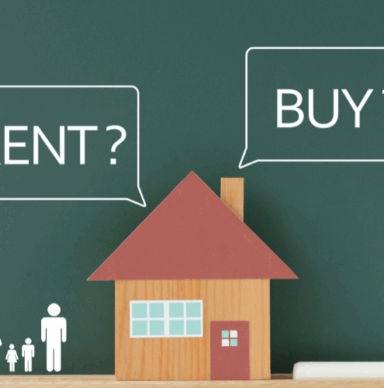
Buying a Home: Minimum Down Payment Requirements

What you’ll learn:

  • Real minimum down payment requirements (and what they actually mean)
  • How down payment percentage directly impacts your mortgage rate and costs
  • Insurance requirements (CMHC, Sagen, Canada Guaranty) and what they cost
  • Realistic down payment savings timelines
  • All your options if you can’t save 20% upfront

THE DOWN PAYMENT QUESTION NOBODY ANSWERS HONESTLY

You want to buy a home. Everyone tells you: “Save 20% down payment.”

But then you do the math. A $500,000 home needs $100,000 down. At $2,000/month savings, that’s 50 months, more than 4 years of discipline.

Most people don’t have 4 years. So they ask: “Can I buy with less?”

The answer is yes. But it’s critical to understand the real costs of less; the insurance, the higher rates, the monthly payment impact.

Let’s be honest about what “minimum down payment” actually means and costs.

CANADA’S DOWN PAYMENT RULES (The Baseline)

Federal minimum: 5% down payment

But here’s the critical part: You can buy with less than 5% in specific programs, but traditional mortgage-backed options require at least 5%.

Ontario context: Across Ontario, whether you’re in Toronto, Ottawa, London, or rural regions, the baseline 5% applies universally. Regional differences don’t change federal lending requirements.

HOW DOWN PAYMENT PERCENTAGE IMPACTS YOUR MORTGAGE RATE

This is where most people get blindsided.

Your down payment isn’t just about “skin in the game.” It directly determines:

  • Your mortgage rate
  • Your mortgage insurance cost
  • Your total monthly payment
  • Your long-term financial picture

Here’s the real cost structure:

20% Down Payment

The gold standard. With 20% down:

  • ✅ No mortgage insurance required
  • ✅ Best interest rates (you qualify for the lowest available)
  • ✅ Lowest monthly payment relative to home price
  • ✅ True home equity from day one

Example on $500,000 home:

  • Down payment: $100,000
  • Mortgage: $400,000
  • Interest rate: 4.99% (best available rate example)
  • Monthly payment: ~$2,147/month (25-year amortization)
  • Insurance: $0
  • Total cost for mortgage: ~$644,100 over 25 years

15% Down Payment

Moving down from 20% creates measurable consequences:

  • ⚠️ Mortgage insurance required (CMHC/Sagen/Canada Guaranty)
  • ⚠️ Slightly higher interest rate (+0.20-0.40%)
  • Insurance cost: 1.8-2.0% of mortgage amount

Example on $500,000 home:

  • Down payment: $75,000
  • Mortgage: $425,000
  • Mortgage insurance (1.9%): ~$8,075 (added to mortgage)
  • Total mortgage amount: $433,075
  • Interest rate: 5.19-5.39% (higher than 20% down)
  • Monthly payment: ~$2,333/month (25-year amortization)
  • Total cost for mortgage: ~$700,000 over 25 years
  • Cost of 15% vs. 20% down: ~$56,000 MORE over 25 years

10% Down Payment

This is where the costs really escalate:

  • ⚠️ Mortgage insurance required. It’s more expensive now
  • ⚠️ Higher interest rate (+0.40-0.60% above 20%)
  • Insurance cost: 2.80-3.10% of mortgage amount

Example on $500,000 home:

  • Down payment: $50,000
  • Mortgage: $450,000
  • Mortgage insurance (2.9%): ~$13,050
  • Total mortgage amount: $463,050
  • Interest rate: 5.39-5.59%
  • Monthly payment: ~$2,492/month
  • Total cost for mortgage: ~$747,000 over 25 years
  • Cost of 10% vs. 20% down: ~$103,000 MORE over 25 years

5% Down Payment

The minimum. The true cost is significant:

  • ⚠️ Mortgage insurance mandatory
  • ⚠️ Highest interest rate (+0.60-0.80% above 20%)
  • Insurance cost: 3.85-4.00% of mortgage amount
  • Lender restrictions (fewer qualify, higher income requirements)

Example on $500,000 home:

  • Down payment: $25,000
  • Mortgage: $475,000
  • Mortgage insurance (3.9%): ~$18,525
  • Total mortgage amount: $493,525
  • Interest rate: 5.59-5.79%
  • Monthly payment: ~$2,653/month
  • Total cost for mortgage: ~$795,900 over 25 years
  • Cost of 5% vs. 20% down: ~$151,800 MORE over 25 years

MORTGAGE INSURANCE EXPLAINED (What Nobody Tells You)

When you put down less than 20%, you’re required to pay mortgage insurance. This protects the lender, not you.

The three insurers in Canada:

  • CMHC (Canada Mortgage and Housing Corporation)
  • Sagen (formerly Genworth)
  • Canada Guaranty

How it works:

  • Insurance premium is calculated as a percentage of your mortgage amount
  • It’s added to your mortgage balance (you pay interest on it for 25 years)
  • It’s NOT optional—it’s required by lenders

Real example:

  • Mortgage: $450,000
  • Insurance (2.9%): $13,050
  • With interest over 25 years: ~$20,000 in total insurance cost

This isn’t a one-time fee. You’re financing it and paying interest on it.

THE DOWN PAYMENT SAVINGS REALITY

Here’s what JAAG sees with clients:

Most people attempting to save 20% down before buying:

  • Timeline: 3-5 years of disciplined saving
  • Monthly savings required: $1,500-2,500
  • Reality: Many don’t make it. Life happens (job loss, emergency, market changes)

The alternative paths:

Path 1: Buy With 5-10% Down Now

Pros:

  • You own sooner
  • You’re building equity immediately
  • Market appreciation works for you

Cons:

  • Higher monthly payment (mortgage + insurance)
  • $100,000-150,000 additional cost over 25 years
  • Stress test might be harder to pass (higher monthly payment)

Best for: People with stable income, patient temperament, who can handle higher payments

Path 2: Save Aggressively for 20% Down

Pros:

  • No mortgage insurance
  • Lowest monthly payment
  • Best rates
  • Stress test is easier to pass

Cons:

  • 3-5 year delay in ownership
  • Rent payments continue (no equity building during waiting period)
  • Market might appreciate during waiting period

Best for: People with lower income who can’t afford higher payments, or who have time to save

Path 3: Rent-to-Own (JAAG Program)

How it works:

  • Move into your home now (not waiting 3-5 years)
  • Monthly payment covers rent + down payment accumulation + credit coaching
  • After 3-4 years, purchase with accumulated down payment + improved credit

On a $500,000 home via JAAG:

  • Your monthly payment might be $2,400 (structured to include down payment accumulation)
  • Over 36 months, you accumulate ~$40,000-50,000 toward down payment
  • You reach year 3 with 10% down already saved + mortgage-ready credit
  • You then qualify for traditional mortgage with down payment assembled

Pros:

  • You own the home you’re living in immediately (not waiting 3-5 years in rental)
  • Down payment builds automatically
  • Credit improves through program
  • Psychological benefit (this is MY home, not a rental)

Cons:

  • Monthly payment might be higher initially than renting
  • You’re committed to 3-4 years in one location
  • Requires engaging with credit coaching

Best for: People who want to move forward now, have stable income, need credit building support

According to JAAG’s experience, 95%+ of clients reach mortgage-ready credit during the program.

THE HONEST COMPARISON

Factor 5% Down Now 20% Down After Saving Rent-to-Own Program
Timeline to ownership Immediate 3-5 years 3-4 years
Down payment required upfront $25K $100K $15K-20K
Monthly payment $2,653 $2,147 $2,400
Mortgage insurance? Yes ($18,500+) No No (you own)
Total 25-year cost $795,900 $644,100 ~$720,000
Additional cost vs. 20% down +$151,800 Baseline +$75,900
Credit building Passive Passive Active (structured coaching)
Equity from day 1 Yes Yes Yes

WHICH PATH MAKES SENSE FOR YOU?

Choose 5% Down Now if:

  • You have stable income and can handle higher monthly payments
  • You want to own immediately (psychological priority)
  • You don’t want to delay homeownership
  • Your credit and income situation is solid

Choose Save for 20% Down if:

  • Your monthly budget is tight
  • Lower payments matter more than immediate ownership
  • You have patience and discipline
  • You want to minimize long-term costs

Choose Rent-to-Own if:

  • You want to own immediately but don’t have 20% saved
  • You need credit building support (not just hoping credit improves)
  • You have $100K+ household income
  • You want structured guidance on the path to mortgage qualification

THE REAL MATH

The latest blog I read said “down payment affects your mortgage agreement by showing lenders you are committed.”

That’s true, but incomplete. Here is the complete true about down payment:

  • It determines your interest rate (5% = 5.59%, 20% = 4.99%)
  • It determines insurance cost ($0 at 20%, up to $18,500 at 5%)
  • It directly impacts your monthly payment ($506 difference on a $500K home)
  • It affects your total cost over 25 years ($151,000+ difference)

This isn’t theoretical. This is real money.

Understanding these numbers and choosing the path that aligns with your situation is the more educated decision.

FINAL TAKEAWAY

The minimum down payment is 5%. But “minimum” doesn’t mean “optimal for you.”

The real question isn’t “What’s the minimum I need?” It’s “What down payment strategy aligns with my income, timeline, and financial goals?”

  • If you need to own sooner, 5-10% down makes sense if you accept higher costs
  • If you can wait and want lowest costs, save for 20% down
  • If you want immediate ownership with credit building support, rent-to-own bridges the gap

All three are legitimate paths. Your job is understanding the real costs of each and choosing intentionally. Reach out if you would like a personalized assessment here

COMMON QUESTIONS

Q: Can I use a gift from my family for my down payment?

A: Yes, but lenders require documentation proving it’s a gift, not a loan. The gift doesn’t need to be repaid, but you need a signed letter from the family member confirming this.

Q: Does mortgage insurance ever go away?

A: Only when your equity reaches 20% of the home value. You can request insurer removal once you’ve paid down to 80% loan-to-value, but you must request it—it doesn’t happen automatically.

Q: Is rent-to-own cheaper than saving for 20% down and buying with a mortgage?

A: Not always. See our Interest Rates Blog for payment comparisons. RTO’s advantage is psychological (owning sooner) and credit building, not necessarily lower total cost over 25 years.


Want an honest assessment? Contact us

Back to Education Page

Why Rent to Own When You Can Just Rent?

Renting and renting to own are both valid options depending on your lifestyle and goals, and both have unique benefits. For those who anticipate relocating in the near future, renting may be the preferred option, whereas people who are looking to settle down and make an investment in their future may find what they’re looking for with rent to own solutions.

Renting VS. Renting to Own

Renting involves paying a landlord for the use of their property. Renting to own differs in that you rent your home with the intent to buy it after a set term. Rent to own programs often collect additional funds on top of rent to fund your eventual down payment on the property.

Benefits of Renting

Flexibility

Flexibility is a major advantage of renting. If you need to relocate, or move house, renting allows you to simply give notice and leave within a couple of months. You don’t need to go through the hassle of selling your home.

Lower Upfront Costs

Renting costs less upfront than homeownership because you aren’t responsible for buying the home or maintaining it. Rent is a reliable monthly cost that makes it easier to budget and plan ahead financially.

Benefits of Renting to Own

Builds Equity

Renting to own provides the opportunity to build equity over time, as well as a portion of each rental payment contributes towards eventual ownership of the property. The gradual accumulation of equity can serve as a stepping stone towards financial stability and future investments. As the home value increases, so does your equity.

Potential for Homeownership

Renting to own presents a path to potential homeownership for individuals who may not currently qualify for a traditional mortgage or lack the upfront funds for a down payment. This flexibility opens doors to those aspiring to own a home but facing obstacles in the conventional home-buying process.

Fixed Purchase Price

Having a fixed purchase price agreed upon at the beginning of the rent to own arrangement provides clarity and stability, shielding tenants from market fluctuations and ensuring they have a set goal to work towards throughout the rental period. This predictability can offer peace of mind and help tenants plan for their future housing needs more effectively. You also know the exact amount of down payment that is required to purchase the home at your predetermined purchase price.

Rent to Own Considerations

Financial Considerations

While rent to own programs have an initial deposit, there are also many financial benefits. The rent credits you pay towards your eventual down payment help you practice financial discipline. If you have poor credit or no credit, rent to own solutions give you time to build good credit and allow your score to recover from unexpected expenses.

You’re also building towards a healthier financial future. Rather than paying your landlord’s mortgage, you’re laying the foundation for owning a home of your own and building equity.

Maintenance Responsibilities

The maintenance responsibilities in a rent to own arrangement may vary. Some agreements require tenants to cover maintenance costs, while others set a dollar amount over which the landlord is responsible for maintenance. Read your contract so you can plan accordingly.

Personal Considerations

Consider your long-term goals when choosing between renting vs. renting to own. Is owning a home important to you? Do you like having the freedom to adjust your space to your needs and renovate at will? Do you plan to live in the same place for the foreseeable future? If you plan to settle down, renting to own may help you achieve your dreams of homeownership in a shorter timeframe than buying.

Which Solution is Right for Me?

Renting or renting to own is a personal choice, and what’s best for you will vary depending on your financial situation, priorities, and values. Our experienced advisors can give you expert advice on your options and help you make the choice that’s right for you.

Own Your Home Sooner with JAAG Properties

No matter your situation, you can own your home sooner with our Rent to own program! Apply online today or contact us for more information.

Back to Education Page

Options for Homeownership with Low Down Payment

You started reading this blog and realized that you’re ready to buy a home. You’ve researched neighborhoods. You’ve calculated mortgage payments. You know exactly what you want.

There’s just one problem: you don’t have 20% down payment saved.

Welcome to the reality most first-time buyers face. The traditional path; Save 20%, apply for a mortgage, buy a home. This is no longer realistic for many Canadians.

But here’s the good news: homeownership with low down payment is not only possible, it’s increasingly common.

In fact, the majority of first-time buyers in Ontario purchase with less than 10% down. Some use government programs. Some use rent-to-own. Some receive gifts from family. Some combine multiple strategies.

The question isn’t “Can I buy with a low down payment?” It’s “Which low down payment option is best for MY situation?”

Let’s explore every viable pathway to homeownership when you don’t have a large down payment saved, compare them honestly, and help you choose the right path.

Ready to explore low down payment homebuying options? Check your qualification in our main FAQ

Understanding How Mortgages Work with Low Down Payment

Before exploring options, understand how mortgages actually work—especially when you have a small down payment.

Basic mortgage structure:

A mortgage is a loan from a financial institution to purchase a home. Your monthly payment typically includes:

The critical factor: Mortgage insurance

If you have less than 20% down payment, lenders require mortgage insurance. This protects the lender if you default.

How mortgage insurance works:

Key insight: Low down payment doesn’t prevent homeownership—it increases monthly costs slightly due to mortgage insurance. But it makes homes accessible NOW instead of in 5-10 years.

Example comparison (Ontario, $700,000 home):

Scenario Down Payment Mortgage Amount Mortgage-Insurance Cost Monthly Payment*
20% down (traditional) $140,000 $560,000 $0 $3,200
10% down (low) $70,000 $630,000 $20,000 $3,450
5% down (very low) $35,000 $665,000 $26,000 $3,650

*Approximate, at 5% interest rate, 25-year amortization

Reality: Yes, you pay more with insurance. But you own sooner and build equity immediately.

7 Options for Homeownership with Low Down Payment

Option #1: Rent-to-Own Programs (3-5% Down)

What it is: You rent a home for 3-4 years while building credit and saving down payment. At the end, you purchase the home.

How JAAG’s Rent-to-Home works:

Advantages:

Disadvantages:

Best for: People who want homeownership soon, have bad credit, are self-employed, or don’t want to wait 5-10 years saving.

Ontario example:

Learn more about rent-to-own in our main FAQ

Option #2: First-Time Home Buyer Incentive (5-20% Down)

What it is: Government program providing 5-10% additional funds for your down payment. You repay when selling or after 25 years.

How it works:

Advantages:

Disadvantages:

Best for: People who have 5-10% saved, have stable income, good credit, and want immediate ownership.

Ontario example:

Learn more about government incentive in our main FAQ

Option #3: CMHC High-Ratio Mortgages (5% Down)

What it is: Traditional mortgage with mortgage insurance allowing 5% down payment.

How it works:

Advantages:

Disadvantages:

Best for: People with 5% down, good credit, and stable employment who want traditional ownership.

Ontario example:

Option #4: Receiving from Family Members (0-5% Down)

What it is: Family loan to give you the down payment.

How it works:

Advantages:

Disadvantages:

Best for: People with family members willing to help and good family relationships.

Ontario example:

Important: Get lawyer to formalize. Lenders will ask if it’s a gift or loan.

Option #5: Co-Buying with Partner (Split Down Payment)

What it is: Buying with spouse, partner, or co-buyer to split down payment requirements and income qualification.

How it works:

Advantages:

Disadvantages:

Best for: Couples/partners, friends, family members buying together.

Ontario example:

Option #6: RRSP Home Buyers’ Plan (Retirement Funds)

What it is: Government program allowing you to withdraw from retirement savings (RRSP) for home purchase.

How it works:

Advantages:

Disadvantages:

Best for: People with RRSP savings who need a down payment boost and can repay within 15 years.

Ontario example:

Learn about retirement fund options in our main FAQ

Option #7: Builder Incentives and New Home Programs (0-5% Closing Costs)

What it is: New home builders offering incentives (down payment assistance, closing cost coverage) to encourage purchases.

How it works:

Advantages:

Disadvantages:

Best for: First-time buyers who want new construction and can negotiate with builders.

Comparison: Which Low Down Payment Option Is Best?

Option Down Payment Needed Timeline to Own Credit Required Best For
Rent-to-Own 3% 3-4 years ❌ Not required Bad credit, self-employed, want price security
Government Incentive 5-10%* Immediate ✅ Required Have savings, stable income, good credit
CMHC Mortgage 5% Immediate ✅ Required (680+) Have savings, traditional pathway
Family Gift Variable Immediate Variable Family support available
Co-Buying 5-20% split Immediate ✅ Combined income Have co-buyer, want shared ownership
RRSP Plan Varies Immediate Variable Have retirement savings, want to access them
Builder Incentive 5-10% Immediate Variable New home construction preference

*You provide 5-10%, government adds 5-10%

Your Decision Framework: Which Option Fits YOUR Situation?

Question 1: Do you have credit challenges?

Question 2: Do you have 5-20% down saved already?

Question 3: What’s your employment situation?

Question 4: How soon do you need to own?

Question 5: Do you have RRSP savings?

Question 6: What’s your comfort level?

Frequently Asked Questions

Which option is “cheapest”?

Total cost comparison (Ontario, $700,000 home, 25-year amortization, 5% rate):

Option Down Payment Insurance Cost Total Interest + Insurance Notes
20% down $140,000 $0 $240,000 Most traditional
10% down (CMHC) $70,000 $20,000 $275,000 Insurance adds cost
5% down (CMHC) $35,000 $26,000 $305,000 Lowest down, highest cost
Rent-to-Own (5 yrs) $21,000 Varies $180,000-$220,000 Monthly credits build down payment
Government Incentive $35,000-$70,000 $0 $215,000-$250,000 Government covers additional funds

Reality: Rent-to-Own often has the lowest total cost because monthly credits reduce final mortgage.

Can I switch options later?

Yes, but with considerations:

  • Start with Rent-to-Own → Can purchase with no credit issues (predetermined home price protects you)
  • Start with traditional mortgage → Can refinance once credit improves
  • Start with government incentive → Cannot use it again (first-time buyer only)

Strategy: If unsure, rent-to-own offers most flexibility and protection.

What if I have bad credit and no savings?

You have options:

  • Option 1: Rent-to-Own (3% down, no credit required, credit builds during program)
  • Option 2: Wait 6 months, improve credit, then apply for traditional mortgage
  • Option 3: Family Gift + traditional mortgage (if family can help)
  • Option 4: Wait 1-2 years, improve credit and save, then apply

JAAG helps with: Rent-to-Own is specifically designed for this situation.

Do I need to provide proof of the down payment source?

Yes. For all mortgage options, lenders require:

  • Bank statements showing down payment came from you
  • Or gift letter (if from family)
  • Or gift affidavit (if government assistance)

Important: Don’t borrow money to cover the down payment gap. Lenders will add it to the debt service calculation and most likely will deny the mortgage.

Can I use multiple options together?

Yes, common combinations:

Combination 1: Savings + Government Incentive

  • You save $35,000
  • Government adds $35,000 (5% incentive)
  • Total: $70,000 down (10%)

Combination 2: Family Gift + Government Incentive

  • Family Gift $30,000
  • You save $35,000
  • Government adds $35,000
  • Total: $100,000 down (14%)

Combination 3: RRSP Withdrawal + Savings

  • RRSP withdrawal: $35,000
  • Your savings: $20,000
  • Total: $55,000 down (7.8%)
How long does each option take?

Option Timeline
CMHC Mortgage 3-4 months (pre-approval to closing)
Government Incentive 1-2 months (after pre-approval)
Rent-to-Own 1-2 months to move in, 3-4 years to own
Family Gift 2-4 weeks (if already agreed)
Co-Buying 3-4 months (combined qualification)
RRSP Plan 2-3 months (after RRSP withdrawal)
Builder Incentive 2-3 months (construction timeline varies)
What if I can only afford 3% down payment?

Only real option: Rent-to-Own

CMHC mortgages require a minimum 5%. Government incentive requires 5%. Traditional lenders require 5%.

Only rent-to-own programs (like JAAG) work with 3% down payment.

Check rent-to-own qualification in our main FAQ

Your Action Plan: Choose Your Path

This week:

  • Assess your situation honestly (credit, savings, timeline, employment)
  • Use decision framework above to identify 2-3 best options
  • Get pre-qualified with 1-2 options (free, no commitment)

This month:

  • Apply for your chosen option
  • Gather required documents (income, credit, savings proof)
  • Get formal approval

This quarter:

  • Begin home search
  • Schedule closing/move-in
  • Own your home

Ready to Explore Your Low Down Payment Options?

You don’t need 20% saved to buy a home. You don’t need perfect credit. You don’t need to wait 5-10 years.

Multiple pathways exist. Your job is to choose the one that fits YOUR situation, timeline, and comfort level.

Whether it’s rent-to-own, government incentives, family gifts, or traditional mortgages with insurance, homeownership is accessible.

Back to Education Page

A Newcomer’s Guide to Buying Your First Home in Canada

You’ve just arrived in Canada. You want to build a stable life. And homeownership feels like the next logical step.

You do your research, ask around and you quickly discover: The rules are different here. You have no credit history. No employment record. Credentials that may not translate immediately.

And lenders say you’re not ready.

This feels unfair. You’re successful. You have resources. But the system is designed around Canadian history, and you don’t have any yet.

This guide walks you through homeownership as a newcomer. Starting with the basics (eligibility, terminology, home types), then addressing the reality of your situation, and finally showing you what’s actually achievable and when.

Not everyone can buy in Year 1. That’s not failure. That’s realistic.

But by Year 2-3 with proper planning? Homeownership becomes achievable. This guide shows you how.

Ready to understand your actual path? Assess your newcomer homeownership timeline

Part 1: Homeownership Basics for Newcomers

Can You Even Buy a Home?

Yes. Here’s what you need:

Immigration status:

Financial requirements:

Credit:

Bottom line: If you’re PR with stable employment and access to down payment, you CAN buy. The question is WHEN and through which path.

Part 2: Understanding Canadian Homeownership Terminology

Canadian terminology differs from other countries. Understanding these terms before shopping prevents confusion.

Key Terms

Mortgage

Down payment

Amortization

Interest rate

Mortgage stress test

Mortgage insurance

Part 3: Types of Homes Available in Canada

Different home types have different prices, maintenance requirements, and ownership structures.

Single/Detached Homes

Semi-Detached Homes

Townhomes

Condominiums

Freehold vs Leasehold

Part 4: Location and Pricing

Location is the biggest price factor in Canadian real estate.

Urban vs Rural

Urban (Toronto, Vancouver, Ottawa):

Suburban (Mississauga, Brampton, Barrie):

Rural (outside major cities):

Ontario pricing differences:

Strategy for newcomers: Choose location with job opportunities and services first. Price is secondary.

Part 5: The Newcomer Reality—What You Actually Face

Now let’s address what makes homeownership challenging for newcomers.

The Core Challenges

Challenge #1: No Canadian Credit History

Challenge #2: Limited Canadian Employment History

Challenge #3: Income May Be Lower Initially

Challenge #4: Income Verification Difficult

Challenge #5: Credential Recognition Timeline

These challenges are REAL. They’re not discrimination. They’re practical limitations of a financial system that doesn’t know you yet.

Part 6: Realistic Newcomer Homeownership Timeline

Understanding when homeownership is realistic helps you plan.

Year 1: Foundation Building (Not Ready)

What you can do:

Homeownership status:

Honest assessment: Year 1 is foundation building, not homeownership. That’s okay.

Year 2: Becoming Ready and Possible

What changes:

Homeownership options opening:

Option A: Newcomer Mortgage

Option B: Rent-to-Own (if income $100K+)

Honest assessment: Year 2 is when homeownership becomes realistic IF income is at least $80K level. For those still at $60-70K, need another year.

Year 3+: Optimized Situation

What’s solid:

Homeownership options fully open:

Option A: Traditional Bank Mortgage

Option B: HBP + Bank Mortgage

Option C: Rent-to-Own (if preferred)

Honest assessment: Year 3 is when you have optimal options. Most newcomers are ready at this stage with proper planning.

Part 7: All Your Homeownership Options Explained

Option 1: Newcomer Mortgage

Option 2: Traditional Bank Mortgage

Option 3: Home Buyers’ Plan (HBP)

Option 4: Private Lending

Option 5: Rent-to-Own

Frequently Asked Questions

Can I buy a home on a work permit (not PR)?

Technically yes, but it’s complex and expensive. Most lenders prefer PR or citizenship. If on work permit, you might need:

  • 15-25% down payment (private lender requirement)
  • Higher interest rate
  • Shorter amortization

Recommend: Get PR first, then buy. It’s simpler and cheaper.

How long until I can get a newcomer mortgage?

Minimum requirements: 3 months employment + building credit.

Realistic: 6-12 months when you have:

  • 6+ months Canadian credit history (score 650+)
  • 6+ months employment history (stable)
  • Down payment available

Don’t apply when you are only living in Canada for 3 months if you don’t have credit yet. Wait for the credit score to develop.

Should I buy now (Year 1) or wait (Year 2-3)?

Buy now if:

  • Income $80K+ already
  • Credit score 680+
  • Down payment 5%+ available
  • Employment stable 12+ months

Wait if:

  • Income below $80K
  • Just started job
  • No credit history yet
  • Building down payment still

Waiting isn’t failure. Waiting until you’re ready is smart.

Is rent-to-own better than a traditional mortgage for newcomers?

Rent-to-own is better IF:

  • You meet $100K+ income requirement
  • You want to move in NOW (not wait 6-12 months)
  • Your credit needs improvement
  • You want professional credit support

Traditional is better IF:

  • You can qualify (credit 680+, employment 12+ months)
  • You want lowest long-term costs
  • You want full ownership/control

Compare both when ready. Don’t force one path.

How do I build Canadian credit quickly?

  • Get Canadian credit card (even small limit)
  • Use it small amounts monthly
  • Pay IN FULL every month (most important)
  • Keep utilization under 30% (If $1,000 credit limit, then use max $300)
  • Never miss payments
  • After 6 months: Score starts improving
  • After 12+ months: Score solidifies (650-700+)

Timeline: 6-12 months to build solid credit. Can’t rush this.

My credentials aren’t recognized. How does that affect homeownership?

If credentials not recognized:

  • Income stays at entry level (what you’re earning now)
  • May change careers (different field opportunity)
  • Lenders calculate on current income, not past
  • Timeline to homeownership extends 12-24 months

Plan accordingly. If income is too low for homeownership now, focus on career/income growth first.

Your Newcomer Homeownership Action Plan

Year 1: Foundation Building

This month:

  • Confirm immigration status (PR/citizenship/work permit)
  • Open Canadian bank account
  • Check credit score (equifax or transunion)
  • Get Canadian credit card (start building credit)

Next 6 months:

  • Use credit card (small amounts, pay in full monthly)
  • Maintain perfect payment history (critical)
  • Secure Canadian employment (or confirm stability)
  • Start RRSP contributions ($200-300/month if possible)
  • Save aggressively: $400-800/month for down payment
  • Research neighborhoods and prices
  • Track credential recognition timeline

At 12 months:

  • Recheck credit score (should be 650+)
  • Assess: Is income $80K+ now?
  • If YES: Consider Year 2 homeownership path
  • If NO: Continue foundation building

Year 2: Becoming Ready

This month:

  • Check credit score (should be 680+)
  • Contact mortgage broker: Can I qualify?
  • Assess down payment accumulated
  • Decide: Traditional mortgage or rent-to-own?

If you qualify (credit 680+, income $80K+):

  • Get pre-approved for newcomer mortgage
  • Begin home search
  • Save final down payment needed
  • Make offers on homes

If you don’t qualify yet:

  • Continue income growth (promotion, career development)
  • Build credit to 700+
  • Accumulate RRSP (for future HBP use)
  • Revisit in 6 months

Year 3: Optimized

If you bought in Year 2:

  • Congratulations, you’re a Canadian homeowner!
  • Plan to refinance at 3+ year mark for better rates

If still planning:

  • Income now $100K+
  • Credit strong (700+)
  • All options available
  • Choose: Traditional, HBP + Traditional, or Rent-to-Own
  • Apply and move forward immediately

The Honest Truth About Newcomer Homeownership

Homeownership as a newcomer takes longer than Canadians because you’re starting from zero history.

This isn’t fair. But it’s realistic.

You’re not failing. You’re on the normal newcomer timeline:

By Year 2-3 with proper planning, homeownership becomes achievable. That’s realistic and honest.

Focus on income growth, credit building, and savings in Year 1. By Year 2-3, you’ll be ready.

Back to Education Page

Tips for Finding Good Rent-to-Own Companies in Canada

You’ve decided: rent-to-own is the right path for you!

Your credit is not as good, self-employment income, or simply you want to start homeownership sooner. You understand the program. You’re ready to move forward.

Now comes the critical decision: Which rent-to-own company should you trust?

This matters more than you realize. Not all rent-to-own companies are created equal. Some are legitimate, transparent, and genuinely invested in your success. Others are predatory, opaque, and designed to extract maximum profit from vulnerable buyers.

The difference between working with the right company and the wrong company can mean:

In Canada, rent-to-own is less regulated than traditional mortgages. That means you MUST do your homework.

This blog provides a comprehensive evaluation framework so you can identify trustworthy rent-to-own companies, spot red flags, ask the right questions, and ultimately choose a partner that’s genuinely invested in YOUR success, not just their profit.

Ready to evaluate rent-to-own companies? Find qualified RTO providers in our main FAQ

What Makes a Good Rent-to-Own Company?

Before you can evaluate companies, know what you’re looking for.

The best rent-to-own companies have:

1. Transparency in all agreements

2. Successful track record

3. Professional credit support

4. Reasonable terms

5. Equity alignment

6. Client-first positioning

These aren’t nice-to-haves. They’re essentials.

10 Questions to Ask Any Rent-to-Own Company

When evaluating a company, ask these specific questions:

1. What is your client success rate?

Follow-up: Ask how they calculate success (completed program and became homeowners, not “stayed in program for 2 years”).

2. How long have you been in business?

Why: Established companies have survived market downturns and have proven systems. New companies might disappear.

3. How is the purchase price determined?

Why: You need to know the final purchase price from day 1. No surprises.

4. What is included in my monthly payment?

Follow-up: Ask for a written breakdown showing exactly where your money goes.

5. Do you charge application fees, processing fees, or other hidden costs?

Why: Good companies profit from successful programs, not from fees.

6. Is your credit team included in the program, or do I pay separately?

Why: Credit improvement should be built-in, not an add-on.

7. What happens if I can’t complete the program?

Why: Life happens. Good companies are flexible. Predatory ones count on you failing.

8. Can I buy out early if I’m ready before the end of term?

Why: You should be rewarded for early success, not penalized.

9. Do you have equity in the properties, or do you wholesale clients to investors?

Why: If a company has no equity, they profit even if you fail. Bad incentive alignment.

10. Can I speak with current and former clients as references?

Why: Real client references are the best validation.

Red Flags: Warning Signs of Problematic RTO Companies

If you see ANY of these red flags, keep looking:

Operational Red Flags

Financial Red Flags

Contractual Red Flags

Communication Red Flags

Industry Red Flags

Due Diligence Checklist: Evaluating an RTO Company

Before signing anything, complete this checklist:

Research Phase

Information Phase

Verification Phase

Consultation Phase

Final Phase

Ontario-Specific Considerations

Ontario rent-to-own market characteristics:

Ontario-specific questions to ask:

JAAG Properties: What Sets Them Apart

If you’re evaluating companies, here’s how JAAG compares on key metrics:

Transparency:

Track Record:

Credit Support:

Reasonable Terms:

Equity Alignment:

Client-First Approach:

Learn more about JAAG’s program in our main FAQ

Frequently Asked Questions

How much should rent-to-own monthly payments be compared to market rent?

Fair comparison:

Rent-to-own payments should be comparable to what you’d pay renting a similar home, plus costs for credit building.

Example (Ontario, $600,000 home):

  • Market rent for comparable home: $2,500-$2,700
  • JAAG RTO payment: $2,600-$2,800 (includes mortgage, taxes, insurance, monthly credits)

If payment is SIGNIFICANTLY higher than market rent, it’s a red flag.

What if a company is very new but has great terms?

Be cautious. New companies might offer great terms because:

  • They don’t have enough revenue to sustain the business
  • They may go under mid-program
  • They haven’t weathered market downturns
  • They may be untested with difficult client situations

Minimum 3-5 years in business is safer, even if terms are slightly less generous.

Can I negotiate terms with an RTO company?

Yes, sometimes.

Good companies may negotiate:

  • Monthly payment amount (if you have strong financial profile)
  • Program length (3 vs 4 years)
  • Credit team involvement (customized to your needs)
  • Extension options (if you want them upfront)

Predatory companies won’t negotiate (they have “standard terms”).

Should I hire a lawyer to review the contract?

Highly recommended.

Cost: $300-500 for review
Value: Identifies unfair clauses, explains your obligations, protects you

Your lawyer should verify:

  • Purchase price is fair
  • Monthly payment breakdown is clear
  • Your rights and protections are adequate
  • Extension/exit clauses are fair
  • Compliance with Ontario law
What questions should I ask references?

Call at least 3 references and ask:

  • “How long were you in the program?”
  • “Did you successfully complete and become a homeowner?”
  • “Were there any surprises or issues during the program?”
  • “Did the company support you through difficult times?”
  • “Were monthly payments stable (no increases)?”
  • “Did your credit improve as promised?”
  • “Would you recommend this company to a friend?”
  • “What would you do differently if starting over?”

Red flag answer: Hesitation, vagueness, or anything negative.

How do I know if the company is legitimate?

Check these:

  • ✅ Business registered in their province
  • ✅ Physical address (not just mail drop)
  • ✅ Website with detailed information
  • ✅ Social media presence
  • ✅ Phone number and email that work
  • ✅ Management team with verifiable backgrounds
  • ✅ Online reviews (mix of positive and some negative is normal)
  • ✅ Better Business Bureau listing
  • ✅ Industry memberships or associations
What’s the difference between a good and bad RTO company in simple terms?

Good RTO company: Profits when you succeed (you own the home). So they help you build credit, keep payments fair, and work with you through difficulties.

Bad RTO company: Profits when you fail (you lose your deposit). So they set impossible terms, charge hidden fees, and count on you to default.

Bottom line: Choose a company whose success depends on YOUR success.

Your Action Plan: Evaluate Companies Methodically

This week:

  • Identify 3-5 rent-to-own companies operating in your area
  • Read 20+ reviews per company (Google, Trustpilot, BBB)
  • Search each company name + “lawsuit” and “complaint”
  • Check Better Business Bureau ratings

This month:

  • Request written information from top 2-3 companies
  • Obtain sample contracts to review
  • Get client references and contact them
  • Schedule consultations with top choice(s)
  • Ask all 10 key questions

This quarter:

  • Review final contract (with lawyer if possible)
  • Make final decision
  • Sign and get moving
  • Start your homeownership journey

Ready to Find Your RTO Company?

Not all rent-to-own companies are equal. Your choice matters, it can mean the difference between owning a home and losing your investment.

Use this framework to evaluate companies objectively, ask tough questions, and choose a partner genuinely invested in YOUR success.

The right company makes homeownership achievable. The wrong company makes it painful.

Choose wisely.

Back to Education Page

How Interest Rates Affect Monthly Mortgage Payments

What you’ll learn:

THE RATE SHOCK NOBODY EXPECTS

Between 2021 and 2023, mortgage rates climbed from to 7%.

Someone approved for a mortgage at 1.5% suddenly faced 7% rates. Their monthly payment wasn’t “a bit higher.” It was devastating.

On a $400,000 mortgage:

This is why it’s critical to understand interest rates and their impact on your monthly payment.

Let’s break down exactly how rates work, and what that means for your wallet.

HOW MORTGAGE RATES ARE ACTUALLY SET

Your mortgage rate isn’t random. It’s determined by several interconnected factors:

1. Bank of Canada Overnight Rate (Most Important)

The Bank of Canada sets the overnight rate (the rate at which banks lend to each other). As of January 2026, the BoC rate is approximately 3.75% (down from the peak of 5.0% in 2022, but still elevated historically).

Why this matters: When the BoC changes rates, mortgage rates typically follow within weeks. This is the single biggest driver of mortgage rate changes.

Recent history:

This isn’t theoretical—this cycle directly impacted millions of Canadian homeowners.

2. Your Credit Score

Your credit score determines the rate premium you pay above the lender’s base rate.

Credit score impact:

Real example at 5% base rate:

The difference between excellent and fair credit? 0.40-0.80% higher rate = $100-200+/month on a $400,000 mortgage.

This is why credit building before applying matters enormously.

3. Fixed vs. Variable Mortgage Choice

This is YOUR decision, and it has major implications.

Fixed-Rate Mortgage:

Variable-Rate Mortgage:

The tradeoff: Variable starts lower but carries uncertainty. Fixed costs more but provides certainty.

4. Mortgage Term Length

Longer terms = higher rates since lenders charge for uncertainty.

As of January 2026:

Why? Lenders are locking in their rate further into the future, so they charge a premium for that risk.

5. Down Payment Percentage

Less down = higher rate as we discussed in our previous Blog.

THE REAL IMPACT: HOW RATES AFFECT YOUR MONTHLY PAYMENT

This is where most people get blindsided. A 1% rate increase doesn’t mean a 1% payment increase.

Fixed-Rate Example: $400,000 Mortgage, 25-Year Amortization

Interest Rate Monthly Payment Total Over 25 Years Increase vs. 4%
4.00% $1,909 $573,000 Baseline
4.50% $2,029 $608,700 +$120/month
5.00% $2,147 $644,100 +$238/month
5.50% $2,268 $680,400 +$359/month
6.00% $2,392 $717,600 +$483/month
6.50% $2,520 $756,000 +$611/month
7.00% $2,661 $798,300 +$752/month

Key insight: 1% rate increase equals 12% payment increase, and between 4% and 7%, your monthly payment increases by +$752/month or 39%. This isn’t proportional. Interest rate changes compound.

Variable-Rate Example: Same $400,000 Mortgage

If you started at 4.70% (variable) and rates climbed to 7.0% (like 2021-2023):

For someone on a $80,000 salary ($3,333/month take-home), a $574 mortgage payment increase is catastrophic.

HOW INTEREST RATE INCREASES IMPACT YOU

The impact depends on your situation:

If You’re Applying for a Mortgage (Prospective Buyer)

The stress test problem:

Higher rates make it harder to qualify. Here’s why:

Example:

  • You want to buy a $500,000 home
  • You have $100,000 (20%) down
  • You need a $400,000 mortgage

At 4% rates:

  • Monthly payment: $1,909
  • Bank approves you (ratio acceptable)

At 6% rates:

  • Monthly payment: $2,392
  • Bank re-calculates your ratios
  • Your housing cost ratio increases
  • You might exceed the 35% GDS limit
  • Bank rejects you

You didn’t change. The rates changed. Suddenly you don’t qualify.

This is exactly what JAAG sees with clients. Adam Wissink explains: “The stress test locks people out who just need a little help. Higher rates make it harder for people already on the edge of qualifying.”

For prospective buyers, higher rates don’t just cost more monthly. They can disqualify you entirely.

If You Have a Fixed-Rate Mortgage (Current Owner)

Good news: Your payment stays exactly the same.

Bad news: None (you’re locked in).

If You Have a Variable-Rate Mortgage (Current Owner)

This is where people get hurt.

When rates rise, more of your payment goes to interest, less goes to principal.

Example at $400,000 mortgage:

Year 1 at 4.70% variable:

Year 3 if rates rise to 7.0%:

You’re paying $574 more per month, but paying DOWN the mortgage slower. Over a 25-year amortization, this extends your payoff timeline significantly if rates stay high.

FIXED VS. VARIABLE: THE HONEST COMPARISON

Factor Fixed-Rate Variable-Rate
Current rate as of Jan 2026 5.29-5.49% 4.70-4.95%
Monthly payment Locked, predictable Fluctuates with rates
If rates rise No impact (protected) Payment increases
If rates fall No benefit (stuck higher) Payment decreases
Budget certainty High (know the exact payment) Low (payment can change)
Total cost if rates stay at 5% Higher initially Potentially lower
Total cost if rates rise to 7% Protected Higher
Best for Risk-averse, tight budgets Risk-comfortable, rate believers

Which should you choose?

As of January 2026, rates are easing (BoC cutting), so the variable looks attractive. But that’s timing. Fixed protects you if easing stalls.

REAL IMPACT: ONTARIO MARKET CONTEXT

In Ontario specifically, the rate environment has shifted significantly:

The challenge: People approved at 2% in 2021 are refinancing into 5%+. People who couldn’t qualify at 6% in 2023 might qualify at 4.70% in 2026.

This volatility is why the stress test exists, to prevent overleveraging at low rates.

HOW THIS AFFECTS YOUR DECISION-MAKING

If you’re buying now:

Check your rate options:

Calculate the impact:

Stress-test your own budget:

Consider your timeline:

If you already have a mortgage:

Fixed-rate holders: You’re protected. Enjoy predictable payments.

Variable-rate holders: Monitor BoC changes. Know your breaking point (at what rate would your budget break?). Consider refinancing to fixed if rates look high.

THE HONEST REALITY

Interest rates affect your monthly payment exponentially, not linearly.

Higher rates also make qualifying harder (through the stress test). You might not be rejected for being “bad with money.” You’re rejected because rates climbed and your payment ratio exceeded 35%.

Understanding this and factoring rate uncertainty into your decision is how you avoid getting blindsided.

FINAL TAKEAWAY

Mortgage rates are set by a combination of factors you can’t control; The Bank of Canada, market conditions, etc. And also other factors you can, such credit score, down payment, and fixed vs. variable choice.

Your job is:

  1. Optimize what you control (credit score, down payment)
  2. Choose fixed vs. variable based on your risk tolerance
  3. Understand the real payment impact at different rates
  4. Stress-test your own budget against rate increases
  5. Plan accordingly

Rates will change. The question is whether you’re prepared when they do.

COMMON QUESTIONS

Q: Should I lock in a rate now or wait to see if rates fall further?

A: This depends on your risk tolerance and timeline. If you need certainty and rates feel high, lock in fixed. If you believe rates will fall and can absorb increases, variable offers lower current costs. See our Down Payment Blog for payment impact calculations.

Q: If I have a variable mortgage and rates rise significantly, can I switch to fixed?

A: Yes, you can refinance to fixed-rate at any time, but you’ll lock in the current fixed rate (which may be higher than your variable rate). This is a strategic decision balancing certainty against potential future rate decreases.

Q: How often do interest rates change?

A: Bank of Canada typically changes rates on fixed announcement dates (8 per year). Your variable-rate mortgage will adjust shortly after. Your fixed-rate term remains locked until renewal—when you face current rates again.

For a personalized assessment, reach out to us, we’d love to hear from you.

Back to Education Page

Ways to Improve Your Credit Score

People have credit issues for a variety of reasons. Divorce, job loss, unexpected medical expenses, industry layoffs, and other financial hardships can wrack up debt quickly. Whatever caused your credit challenges, the good news is simple: it’s never too late to improve your credit score.

But here’s what many people don’t realize: improving your credit isn’t just about “being responsible” going forward. It’s about strategic action—knowing exactly what’s dragging your score down and what actions will lift it fastest.

In Ontario and across Canada, thousands of people improve their credit every year and go on to qualify for mortgages, loans, and better financial opportunities. You can too. Let’s explore the most effective ways to improve your credit score and unlock better financial opportunities.

Ready to improve your credit while pursuing homeownership? Learn how rent-to-own accelerates credit improvement in our main FAQ

Understanding Your Credit Score: The Quick Reference

You can’t improve what you don’t understand. Before implementing improvement strategies, know where you stand.

Credit Score Ratings: What Your Number Means

Score Range Rating What It Means Mortgage Approval
300-560 Poor High risk to lenders ❌ Very difficult
561-659 Fair Moderate risk ⚠️ Conditional
660-724 Good Lower risk, acceptable ✅ Likely
725-759 Very Good Low risk, preferred ✅ Strong approval
760-900 Excellent Very low risk, best terms ✅ Best rates

Target score for Ontario mortgages: 680+
Ideal score for competitive rates: 720+

Learn more about credit scores in our main FAQ

What You Need to Improve: The FICO Formula

Your credit score is calculated using 5 key factors. Understanding the formula helps you target improvements strategically.

The FICO Scoring Breakdown

Factor Weight What It Measures
Payment History 35% Do you pay on time?
Credit Utilization 30% How much credit are you using?
Length of History 15% How long have you had credit?
Credit Mix 10% What types of credit do you manage?
New Inquiries 10% How many recent credit applications?

Key insight: Payment history (35%) + credit utilization (30%) = 65% of your score. Focus on these two for fastest improvement.

Understand what impacts your score in our main FAQ

The 5 Most Effective Ways to Improve Your Credit Score

#1: Pay Every Bill On Time (35% of Your Score)

Why it matters: Payment history is your biggest score driver.

What to do:

Timeline to improvement:

Pro tip: Late payments hurt most in the first 2 years, then gradually recover. Focus on perfect payments going forward.

#2: Lower Your Credit Utilization (30% of Your Score)

Why it matters: This is often the FASTEST way to improve your score.

What to do:

Quick example:

Why this is fastest: Unlike payment history (which takes months to recover), utilization can improve within weeks of paying down balances.

Ontario lender tip: Contact your credit card issuer about:

#3: Stop Applying for New Credit (10% of Your Score)

Why it matters: Each credit application = hard inquiry = small score penalty.

What to do:

Timeline to improvement:

Important note: Multiple applications for the SAME type of credit (shopping for car loans) count as one inquiry. Different types (credit card + auto loan + mortgage) = multiple inquiries.

#4: Dispute Credit Report Errors (Quick Win: 2-4 Weeks)

Why it matters: Errors on your report are surprisingly common, and easily fixable.

What to do:

Common errors worth disputing:

This is a QUICK WIN: If you find errors, they can be removed or corrected immediately boosting your score without waiting months.

Learn how to read your credit report in our main FAQ

#5: Build Consistent Payment History (If You Have No Credit)

Why it matters: Lenders need to see you can manage credit responsibly.

What to do:

Timeline:

For newcomers to Canada: This is how you establish credit from zero. Be patient, consistency matters more than amounts.

Advanced Strategies: Medium to Long-Term Improvement

Pay Down Collections Accounts

Impact: Limited direct score improvement, but shows current responsibility.

Timeline: 6-12 months of on-time payments after settling shows lenders you’ve changed.

Keep Old Accounts Open (Build Length of History)

Impact: 15% of your score.

Diversify Your Credit Mix (Build Multiple Account Types)

Impact: 10% of your score.

Don’t force it: Don’t open unnecessary accounts just for credit mix. Let it develop naturally.

The RTO Alternative: Accelerated Credit Improvement

Here’s the reality for people with bad credit (below 660) in Ontario: traditional mortgages aren’t available right now.

Two Paths Forward

Path 1: Improve First, Buy Later (18-36 months)

  • Focus on strategies above
  • Hope to reach 680+ over time
  • Continue renting
  • Risk: Interest rates change, markets change, housing costs increase

Path 2: Rent-to-Own + Build Credit Simultaneously (12-36 months)

  • Qualify for JAAG’s rent-to-own program (lower score requirements)
  • Move into your home immediately
  • JAAG Credit Team coaches your improvement
  • Monthly rent payments reported to both bureaus automatically
  • Predetermine your home price today (not subject to market changes)
  • Build equity while building credit
  • Often reach mortgage-ready in 12-36 months
  • Own the home outright when program ends

Why Path 2 is often faster:

Check your rent-to-own qualification in our main FAQ

Frequently Asked Questions

Q: How fast can I improve my credit score?

It depends on what’s holding you back:

Fast (1-3 months):

  • Lowering credit utilization (paying down balances)
  • Disputing credit report errors
  • Setting up automatic payments

Medium (3-6 months):

  • Building positive payment history
  • Settling collections accounts
  • Establishing new credit accounts

Slow (6-12+ months):

  • Recovering from late payments (stay on report 6 to 7 years)
  • Building length of credit history
  • Fully diversifying credit mix

Key point: Start with quick wins (utilization, errors, auto-pay), then focus on payment history. Most people see +50-100 point improvements in 6 months of consistent effort.

Q: I have bad credit and want to buy a home in Ontario. What should I do?

Two realistic options:

Option 1: Improve First

  • Spend 18-36 months improving credit
  • Reach 680+ score
  • Apply for traditional mortgage
  • Then house hunt and buy

Option 2: Rent-to-Own Now

  • Qualify for JAAG’s program (lower score requirements)
  • Move into your future home immediately
  • Build credit while living there
  • Reach mortgage-ready in 12-18 months
  • Own the home at program end

Most people choose Option 2 because they own a home faster, lock in today’s price, and build equity immediately.

Check your rent-to-own qualification in our main FAQ

Q: Should I improve my credit before applying for rent-to-own?

No. Apply now instead. Here’s why:

  • JAAG works with bad credit (no minimum score required)
  • The sooner you start, the sooner you improve
  • You’ll be building credit while living in your home
  • Your monthly rent is reported to both bureaus
  • You lock in today’s price (not subject to market changes)

If you wait 6-12 months, you’re paying rent elsewhere AND risking market changes. Better to start immediately.

Learn more in our main FAQ

Your 30-Day Action Plan

Week 1: Get Baseline & Quick Win

Week 2-3: Set Up Systems

Week 4: Plan Next Steps

Ready to Improve Your Credit Score?

Improving your credit takes effort, but it’s absolutely possible. The 5 strategies above work—they’re proven by thousands of Canadians every year.

And if homeownership is your goal, you don’t have to wait while improving. Rent-to-own lets you start immediately while building credit.

Back to Education Page

What Options Are Available When You Can’t Qualify for a Mortgage?

What you’ll learn:

THE REJECTION: IT’S MORE COMMON THAN YOU THINK

You apply for a mortgage. You think you’re ready. The bank says no.

According to JAAG Properties (which has helped 100+ families navigate this exact situation), the rejection rate is significant. “We see people rejected constantly,” Adam Wissink explains. “Sometimes it’s credit. Sometimes it’s self-employment income verification. Sometimes it’s the stress test locking them out even though they can actually afford the payment.”

The question isn’t whether you’ll be rejected. The question is: What do you do when it happens?

Most people don’t know their options exist. Banks don’t advertise them. So people assume they’re stuck waiting years to fix their situation.

They’re not. There are real alternatives. Understanding them is critical.

WHY BANKS SAY NO

Banks are risk-averse. The stress test makes them even more conservative. Here are the actual reasons for rejection:

1. Credit Score Below Acceptable Threshold

Banks typically want a 680+ credit score. If you’re below that:

Real situation: Someone with 620 credit, $100K income, and $50K down payment is often rejected by traditional mortgage lenders despite clear ability to pay.

2. Insufficient Income Documentation

This catches self-employed people, recent immigrants, and contract workers constantly.

Examples:

Real situation: Someone earning $150K as a freelancer with 1 year of history gets rejected while an employed person earning $80K with better employment record gets approved.

3. The Stress Test Math Doesn’t Work

This is the biggest barrier. You can afford payments at current rates, but the stress test calculates payments at 6.25%. Your ratios exceed 35% (GDS) or 42% (TDS).

Real situation: You’re not rejected for being irresponsible; you’re rejected because the math doesn’t work at stress test rates.

4. Existing Debt Too High

Total debt service ratio exceeds 42%.

Examples:

Real situation: Someone with $400/month car payment, $300/month credit cards, and $200/month student loan ($900 total) might barely qualify at $100K income. Add a mortgage payment and they’re over 42%.

5. Down Payment Too Small

Traditional mortgages at 5% down with weak credit/income are rarely approved. At 3-5% down, qualification tightens significantly.

YOUR REAL OPTIONS (ALL OF THEM)

When banks say no, you have options. Here’s the complete breakdown:

OPTION 1: MORTGAGE BROKER

What they do: Connect you with alternative lenders (B-lenders, alternative lenders) who have different approval criteria than big banks.

Pros:

Cons:

Cost example on $400,000 mortgage:

Best for: People with decent income but credit/documentation issues. You still need to qualify; brokers just find lenders with more flexibility.

OPTION 2: CREDIT UNIONS

What they do: Provincial (not federal) lenders not bound by national stress test rules.

Pros:

Cons:

Reality check: Credit unions aren’t magic. They still require credit, income verification, and reasonable ratios. They’re just slightly more flexible than the Big 5 banks.

Best for: People with slightly imperfect credit or self-employment income who want to try a non-bank lender first.

OPTION 3: PRIVATE LENDERS

What they do: Private individuals or companies lending their own capital (not depositor funds like banks).

Pros:

Cons:

Cost example on $400,000 mortgage:

Red flags for private lending:

Best for: Short-term bridge solutions (6-12 months) while you fix your situation, NOT long-term homeownership financing.

OPTION 4: RENT-TO-OWN (JAAG PROGRAM)

What it does: You move into your home now, rent for 3-4 years while building credit and down payment, then purchase with a traditional mortgage.

How it actually works:

Pros:

Cons:

Cost example on $500,000 home:

Best for: People who want to move forward NOW, have stable income, are willing to engage with credit building, and need 3-4 years to reach mortgage readiness.

JAAG data: 95%+ of clients reach mortgage-ready credit by program completion (100+ families over 12+ years).

OPTION 5: CO-SIGNER

What it does: A family member with good credit co-signs your mortgage application, adding their credit/income to yours.

Pros:

Cons:

Reality: Co-signing is emotionally complicated. It only works if you have deep trust with the co-signer AND you’re confident you won’t default.

Best for: People with income/ratios that work but weak credit, who have access to a co-signer they trust deeply.

OPTION 6: WAIT AND BUILD CREDIT/SAVINGS

What it does: You delay homeownership 1-3 years while improving credit score and saving down payment.

Pros:

Cons:

Cost example:

Best for: People with lower income who can’t afford higher payments, or who genuinely prefer renting while building savings.

THE HONEST COMPARISON

Option Approval Speed Interest Rate Monthly Cost Total 25-Yr Cost Credit Building Best For
Bank Mortgage 4-6 weeks 5.0 to 5.5% $2,147 $644,100 Passive Good credit/income
Mortgage Broker 2-4 weeks 6.5 to 8.5% $2,400-2,900 $720,000-$870,000 Passive Imperfect credit, decent income
Credit Union 2-4 weeks 5.5 to 6.5% $2,250-2,550 $675,000-$765,000 Passive Self-employed, flexible approval
Private Lender 3-5 days 8-12%+ $2,900-3,500+ $870,000-$1,050,000+ None Short-term bridge only
Rent-to-Own 2-4 weeks N/A (rent, then mortgage) $2,400 ~$720,000 (rent 3 yrs + mortgage) Active (coached) Want to own now, need credit help
Co-Signer 2-4 weeks 5.0 to 5.5% $2,147 $644,100 Passive Good income, weak credit
Wait & Build N/A Better over time $2,000 (rent) Ongoing rent Active (your effort) Lower income, time available

HOW TO CHOOSE

Ask yourself these questions:

Can you afford higher payments?

Do you need to own immediately?

Do you have family who can co-sign?

What’s your timeline?

What’s your income situation?

THE HONEST REALITY

There is no perfect option. Each has tradeoffs:

The question isn’t “Which is best?” It’s “Which fits MY situation right now?”

FINAL TAKEAWAY

When banks say no, you’re not stuck. You have six real alternatives, each designed for different situations.

The worst option? Giving up and renting indefinitely. The best option? Understanding your situation, calculating the real cost of each alternative, and choosing the one that aligns with your goals and timeline.

JAAG’s perspective after 12+ years: “We’re helping people close to being homeowners actually become homeowners. Some need a few more years. Some need credit help. Some need immediate ownership. We match them with the right path rather than forcing one solution.”

Do the same. Understand your situation. Calculate your real options. Choose intentionally.

COMMON QUESTIONS

Q: Can I combine options (like use a broker AND a co-signer)?

A: Yes. You could use a mortgage broker with a co-signer to access even better rates, or explore RTO while working with a broker on your credit timeline. Combining strategies often works best.

Q: What if I don’t qualify for ANY option—even RTO?

A: RTO requires $100K+ household income. If you’re below that, focus on income growth first (2-3 years), then revisit all options. See our Credit Building Guide for credit improvement while earning higher income.

Q: Is private lending ever a good long-term solution?

A: Never. Private lending at 10-12% rates creates unsustainable payments. It’s only appropriate as a 6-12 month bridge while you qualify for better financing. Avoid anyone promising private lending as permanent.

Need a personalized assessment? Contact us, we can help!

Back to Education Page

The Benefits of Renting to Own in Canada

The Canadian housing market is challenging right now. Peak prices. Higher interest rates. Tight inventory.

And as a newcomer, you feel the pressure even more.

No Canadian credit history. Limited employment record. Income potentially lower than expected while you’re establishing yourself. Every barrier to homeownership feels doubled.

You’ve seen the rent-to-own ads. They promise: “Move in today, buy later. No credit needed.”

It sounds perfect for your situation.

But here’s the honest truth: Rent-to-own isn’t the right path for every newcomer at every stage.

Sometimes a traditional mortgage is better. Sometimes rent-to-own is better. Sometimes you’re not ready for either yet.

This blog walks through all your options, traditional mortgages and alternatives like rent-to-own, and shows you which path is right for YOU based on where you are in your Canadian journey.

Real guidance.

Ready to find your actual best path? Assess your situation below

Part 1: Traditional Mortgages for Newcomers—When They Work

Most newcomers assume they can’t get a traditional mortgage. That’s not always true.

Traditional mortgages can work for newcomers—if you understand the timeline and requirements.

Newcomer Mortgage Programs

Several Canadian banks offer specialized mortgages for newcomers:

What they offer:

What they require:

Timeline reality:

When Traditional Mortgage Is Your Best Option

Traditional mortgage for newcomers or not is your BEST option when:

✅ You have 12-18 months Canadian history

✅ You’ve accumulated 5-10% down payment

✅ You qualify for competitive rates

✅ You want to minimize long-term costs

✅ You have or are building solid credit

✅ Your income is stable and documented

Part 2: Traditional Mortgage Examples—Who Qualifies and When

Let’s show realistic scenarios.

Scenario #1: Newcomer, 14 Months in Canada

Profile:

Traditional mortgage application:

Result: APPROVED

Alternative with rent-to-own (same person):

Comparison:

Winner: Traditional mortgage (better rate, lower cost, similar timeline)

For this scenario, this person should use a traditional mortgage, NOT rent-to-own.

Scenario #2: Newcomer, 18 Months in Canada

Profile:

Traditional mortgage application:

Result: APPROVED

For this scenario, this person should use a traditional mortgage, NOT rent-to-own.

Part 3: When Traditional Isn’t Working—Alternative Options

Traditional mortgage might not work if:

In these cases, alternatives exist:

Option 1: Wait 6-12 More Months for Traditional

Sometimes the answer is simply: Not yet, but soon.

Example:

Path A (Wait):

Path B (Force it now):

Answer: Wait. It’s actually cheaper and faster.

Option 2: Private Lending (Fast but Expensive)

What it is:

Requirements:

Cost comparison:

When private lending makes sense:

Most newcomers: Better to wait for a traditional mortgage than use private lending.

Option 3: Rent-to-Own, with minimum requirements

Rent-to-own becomes relevant when you meet certain conditions:

Minimum requirements (JAAG):

Key difference from traditional:

Who rent-to-own is good for:

✅ Scenario A: Established newcomer at 18-24 months

✅ Scenario B: Good income but bad credit (recovery situation)

✅ Scenario C: Wants flexibility and immediate homeownership

Part 4: Traditional vs Rent-to-Own—Direct Comparison

Let’s compare both paths for someone who could choose either.

Newcomer Profile: Qualifies for Both

Situation:

Path A: Traditional Mortgage

Down payment:

Approval:

Monthly payment:

Moving in:

Ownership:

Total cost (25-year amortization):

Path B: Rent-to-Own

Down payment:

Monthly payment:

Approval:

During 3-year term:

At end of 3 years:

The real question: Which path costs less in TOTAL?

For most people: Traditional mortgage is lower cost because:

Rent-to-own is better IF:

Part 5: Who Should Choose Which Path?

Not everyone should choose the same path.

Choose Traditional Mortgage If:

Best for: Newcomers establishing themselves with employment history and building credit

Choose Rent-to-Own If:

Best for: Established newcomers with good income but credit needing support, or those wanting flexibility

Choose Neither Yet (Wait & Build) If:

Best for: New newcomers during the first year, in foundation-building phase

Frequently Asked Questions

If I can qualify for both traditional and rent-to-own, which is better?

Compare three factors:

  • Total cost: Traditional usually cheaper, because the lower interest rates
  • Timeline: Traditional 6 weeks vs Rent-to-own 30 days
  • Flexibility: Rent-to-own offers 1/2/3-year buyout options; traditional is fixed

Traditional mortgage If cost is priority

Rent-to-own If credit needs support and flexibility is required

Most cases: Traditional mortgage wins on cost.

Should I use rent-to-own to “improve my credit” if I can get a traditional mortgage?

No. If you have a credit score of 680+ and already qualify for a traditional mortgage, you don’t need rent-to-own’s “credit building support.” You’re already building credit the normal way.

Exception: If credit is in the 640’s range and you want professional guidance while renting, rent-to-own support could help. But a traditional mortgage would likely work too.

How much more does rent-to-own cost than traditional mortgage?

Monthly difference (typical):

  • Traditional mortgage: $1,500-$1,700/month
  • Rent-to-own: $1,700-$2,000/month
  • Difference: $200-$300/month
  • Over 3 years: Additional $7,200-$10,800 paid

This $200-300/month goes to:

  • Building down payment credits

Is it worth it? Depends on whether you need the services. If you could get a traditional mortgage anyway, probably not worth the extra $200-300/month, unless you are thinking of a second purchase.

Can I qualify for a traditional mortgage if I’m self-employed?

Yes, but more complex. See our Blogs in Self-Employed Guide, for detailed requirements. Generally: Need more than years of business history, good documentation, likely mortgage broker vs bank.

Rent-to-own might be easier if self-employed income documentation is challenging.

What if my income is $95K (not quite $100K for rent-to-own)?

If income $95K-$100K:

  • Can you get traditional? Possibly if credit is good, and employment is established
  • Can you qualify for rent-to-own? Borderline, contact JAAG to discuss
  • Best option? Check both options for a more educated decision

Your Action Plan: Choose Your Path

Step 1: Assess where you are

Timeline in Canada?

  • Less than 12 months → Foundation building stage, (not ready yet)
  • 12-18 months → Becoming ready (traditional mortgage possible)
  • 18+ months → Ready (multiple options available)

Income?

  • Below $80K → Wait for increase
  • $80K-$90K → Traditional mortgage possible
  • $100K+ → Both paths available

Credit score?

  • Below 650 → Rent-to-own if incomes are $100K+
  • 650-680 → Traditional possible, rent-to-own flexible
  • 680+ → Best traditional mortgage rates

Down payment available?

  • Less than 3% → Not ready yet
  • 3-5% → Rent-to-own or wait for traditional
  • 5-10% → Traditional mortgage ideal
  • 10%+ → Traditional mortgage excellent

Step 2: Determine your best path

If you checked:

  • ✅18+ months in Canada
  • ✅Income $80K+
  • ✅Credit 650+
  • ✅Down payment 5%+

Your path: Traditional mortgage

  • Action: Contact mortgage broker
  • Timeline: 4-6 weeks to approval
  • Result: Move in with best rates available

If you checked:

  • ✅18+ months in Canada
  • ✅Income $100K+
  • ✅Credit 640-680
  • ✅Down payment 3%+
  • ✅Want credit support or flexibility

Your path: Rent-to-own

  • Action: Contact JAAG
  • Timeline: 2-4 weeks to approval
  • Result: Move in 30 days, build equity for 3 years

If you checked:

  • ✅Less than 18 months in Canada

Your path: Foundation building

  • Action: Focus on income growth, credit building, employment stability
  • Timeline: 6-12 months
  • Result: Revisit in 12 months when ready

The Honest Message

There’s no single “best” homeownership path for all newcomers.

Traditional mortgages are often better with lower cost, and competitive rates.

Rent-to-own is better for specific situations when credit support is needed, more flexibility, and incomes are $100K+

Neither is “wrong.” Both serve different newcomer circumstances.

The right choice depends on:

Choose based on your actual situation, not marketing promises.

Back to Education Page

How Much Money Do You Need to Buy a House?

This is it, exciting! You’re ready to buy a house. You’ve saved diligently. You’ve researched neighborhoods. But you have a down payment calculated.

Then you talk to a realtor, dig in a bit more and realize: that’s not actually all the money you need.

Down payment is just the beginning. Between closing costs, legal fees, land transfer taxes, inspections, appraisals, and moving expenses, the true cost of buying a home can shock unprepared buyers.

Many first-time buyers underestimate by $10,000-$30,000. They show up to closing thinking they’re ready, only to discover they’re $15,000 short.

This isn’t failure. It’s a lack of information.

This blog provides a complete financial breakdown so you know exactly what money you need, before making any offers, before getting surprised at closing, and before derailing your homeownership dreams.

Ready to understand true homeownership costs? Learn about mortgage affordability in our main FAQ

The True Cost of Buying a House: Beyond Down Payment

When you buy a home, you need:

  1. Down payment (5-20% of home price)
  2. Closing costs (1-4% of home price)
  3. Legal fees (typical in Ontario)
  4. Land transfer tax (Ontario-specific)
  5. Home inspection (if not included in offer)
  6. Appraisal (lender requirement)
  7. Mortgage insurance (if under 20% down)
  8. Moving costs (if applicable)
  9. Immediate repairs/updates (typical)
  10. Emergency reserve (recommended)

Let’s break down each cost realistically.

Detailed Cost Breakdown: Ontario Example

Scenario: Purchasing a $600,000 home in Ontario with 10% down payment

1. Down Payment

2. Closing Costs (1-4% of purchase price)

3. Land Transfer Tax (Ontario)

4. Lawyer Fees

5. Home Inspection

6. Appraisal Fee

7. Mortgage Insurance (if under 20% down)

8. Moving Costs

9. Immediate Repairs/Updates

10. Emergency Reserve Post-Closing

TOTAL COSTS SUMMARY (Ontario, $600,000 home, 10% down)

Cost Category Amount
Down Payment $60,000
Closing Costs (including land transfer tax) $12,000-$24,000
Lawyer Fees $1,000-$2,000
Inspections/Appraisals $600-$1,100
Mortgage Insurance (if applicable) $18,000-$21,000
Moving Costs $1,500-$3,500
Immediate Repairs/Updates $3,000-$5,000
Emergency Reserve (post-closing) $3,000-$6,000
TOTAL NEEDED $99,100-$123,600
vs Down Payment Alone $60,000
DIFFERENCE +$39,100-$63,600 additional

Reality: You need almost DOUBLE the down payment to be fully prepared.

Cost Breakdown by Home Price

Here’s what you need at different price points (Ontario):

Home Price Down Payment (10%) Closing Costs Mortgage Insurance Total Needed
$400,000 $40,000 $8,000-$16,000 $12,000-$15,000 $60,000-$71,000
$500,000 $50,000 $10,000-$20,000 $15,000-$18,000 $75,000-$88,000
$600,000 $60,000 $12,000-$24,000 $18,000-$21,000 $90,000-$105,000
$700,000 $70,000 $14,000-$28,000 $21,000-$24,000 $105,000-$122,000
$800,000 $80,000 $16,000-$32,000 $24,000-$27,000 $120,000-$139,000

Key insight: Closing costs and mortgage insurance alone can add $25,000-$50,000 to your down payment requirement.

How Down Payment Affects Total Homeownership Cost

The larger your down payment, the lower your total cost:

10% Down Payment ($60,000 on $600,000 home)

15% Down Payment ($90,000 on $600,000 home)

20% Down Payment ($120,000 on $600,000 home)

Comparison: 10% vs 20% down

Reality: Every 5% additional down payment saves $30,000-$80,000 over mortgage life.

Ontario-Specific Costs to Consider

Land Transfer Tax (Ontario)

Example: Ontario land transfer tax on $600,000 property

Municipal/Regional Variations

Ontario Regulatory Considerations

Money You Need: Summary Table

Quick reference for different scenarios:

Scenario Down Payment Saved Total Additional Costs Total Cash Needed
$400K home, 5% down $20,000 $15,000-$25,000 $35,000-$45,000
$500K home, 10% down $50,000 $20,000-$35,000 $70,000-$85,000
$600K home, 10% down $60,000 $25,000-$40,000 $85,000-$100,000
$700K home, 15% down $105,000 $25,000-$40,000 $130,000-$145,000

Alternative: Rent-to-Own (Reduced Upfront Costs)

If you don’t have full amount needed, rent-to-own reduces initial financial barrier:

Traditional Purchase Requirements

Rent-to-Own (JAAG) Requirements

Advantage: Access homeownership immediately with $15,000 instead of $50,000+

Monthly rent-to-own payments build your down payment during the program (instead of saving separately).

Learn about rent-to-own as alternative path

Frequently Asked Questions

Can I borrow money for closing costs?

No. Lenders require that closing costs come from your own funds (or gifts from family, but not loans). Borrowing for closing costs will be uncovered during mortgage qualification and can cause denial.

Exception: Some lenders allow small amounts ($1,000-$2,000) to be included in the mortgage if you’re approved and document the source clearly.

What closing costs can I avoid?

Very few. Most are mandatory:

  • Land transfer tax: CANNOT avoid (unless first-time buyer exemption applies)
  • Lawyer fees: CANNOT avoid (required by lender)
  • Appraisal: CANNOT avoid (lender requirement)
  • Title insurance: CANNOT avoid (lender requirement)
  • Home inspection: OPTIONAL (but highly recommended—$300-600 savvy investment)

Realistic savings: $500-$1,500 maximum by negotiating lawyer fees or inspector costs.

Who pays closing costs: buyer or seller?

Buyer pays: Land transfer tax, appraisal, lawyer fees, home inspection (if requested by buyer)

Seller pays: Real estate commissions, title insurance (in some provinces)

Negotiable: Some closing costs can be negotiated as part of the offer (seller agrees to cover certain costs).

Can I include closing costs in my mortgage?

Sometimes. Some lenders allow you to:

  • Roll closing costs into mortgage (increases amount borrowed)
  • Avoid large upfront cost
  • Pay over 25-year amortization

Downside: You pay interest on closing costs over 25 years (adds $5,000-$10,000+ to total interest).

Better option: Have closing costs available separately if possible.

What if I don’t have enough money at closing?

This is a serious problem. Options:

  • Delay closing: Ask seller/lender for 30-60 day extension to raise funds
  • Family gift: Quick gift from family member (must document as gift to lender)
  • Negotiate with seller: Ask seller to cover certain closing costs in exchange for higher price
  • Reduce down payment: Buy less expensive home
  • Rent-to-own alternative: Start with smaller upfront cost instead

Prevention: Know your total costs 60 days BEFORE closing and ensure funds are available.

How much should I keep as an emergency reserve after buying?

Recommended: 3-6 months of mortgage payments plus property taxes and insurance

Example (Ontario, $600K home, $2,500 mortgage)

  • Mortgage: $2,500
  • Property tax: ~$400
  • Insurance: ~$150
  • Total monthly: ~$3,050
  • 3-month reserve: $9,150
  • 6-month reserve: $18,300

Reality: Many new homeowners have NO reserve and struggle with the first major repair bill. Budget conservatively.

Should I spend extra on down payment or keep emergency funds?

Best approach: Balance

  • Get approved with minimum down payment (5-10%)
  • Use remaining funds for emergency reserve ($8,000-$15,000)
  • Avoid having zero cushion when major repair happens

Example:

  • You have $70,000 available
  • Down payment: $50,000 (8.3% on $600K home)
  • Closing costs: $12,000 (paid from down payment)
  • Emergency reserve: $8,000 (not used for purchase)

This is safer than maximizing down payment and having no reserves.

Your Action Plan: Calculate Your Numbers

This week:

  • Determine target home price (research Ontario market)
  • Calculate 5%, 10%, 15%, 20% down payment amounts
  • Estimate closing costs (1-4% of purchase price)
  • Add mortgage insurance costs (if under 20% down)
  • Calculate TOTAL money needed

This month:

  • Research Ontario-specific costs in your municipality
  • Get pre-approved for mortgage (tells you buying power)
  • Confirm you have funds available for total cost
  • OR explore rent-to-own as reduced-cost alternative

This quarter:

  • Finalize budget and target price
  • Begin home search
  • Set closing date
  • Confirm all funds available 60 days before closing

Ready to Buy? Know Your Numbers First

The difference between prepared and unprepared buyers isn’t intelligence—it’s information.

Prepared buyers know:

Unprepared buyers discover these at closing and panic.

Use this guide to calculate YOUR numbers, confirm funds available, and approach homeownership confidently.